The Ministry of Education has directed the closure of all Junior School units with enrollments below thirty learners across Grades 7, 8 and 9. Teachers from these institutions will be reassigned to understaffed Senior Schools nationwide.
According to the ministry, the move developed in collaboration with the State Department for Early Learning and Basic Education and the Teachers Service Commission (TSC), is a strategic response to a crippling teacher shortage threatening the rollout of the Competency-Based Education (CBE) at the Senior School level.
“This move addresses a severe national crisis. Kenya currently faces a deficit of approximately 58,590 teachers specifically for Senior Schools, with the overall shortage across all institutions nearing 100,000.”
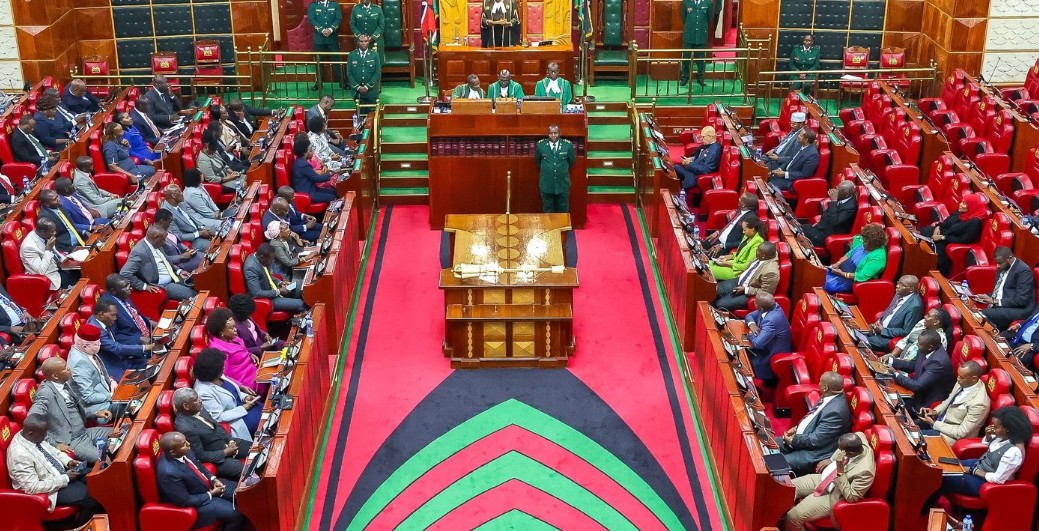
Parliament has warned that this shortage will intensify in 2026 as the Senior School rollout progresses, leading to overcrowded classrooms and compromised educational standards. The transition is further strained by reported low initial enrollment in some new Grade 10 streams, complicating resource allocation.
The policy rationale centers on efficiency and urgent need. Small Junior School units, often in remote areas, are deemed unsustainable. Consolidating learners into larger schools aims to improve resource utilization, while the redeployment of their teachers provides immediate relief to Senior Schools requiring staff for specialized CBE pathways. This follows other consolidation efforts, such as the 2024 closure of non-compliant boarding primary schools, though the current directive is explicitly driven by human resource optimization.
ALSO READ:
Profound systemic challenges underlie the acute shortage. Critical infrastructure is lacking, with half of public junior school learners lacking access to functional science laboratories. Teachers are overwhelmingly stretched, with a national average of just three teachers per public junior school and some institutions operating with only one. A significant 35% of these schools have no dedicated STEM teacher, and only 21% of teachers are trained in STEM areas, undermining the CBC’s foundation.
Disparities in teacher distribution and budget constraints exacerbate the problem. Parliamentary reports highlight severe imbalances between counties, while the TSC consistently cites inadequate funding as the barrier to permanent recruitment, despite allocations for intern teachers.
Lawmakers have also cautioned against the unplanned establishment of new schools without corresponding staffing plans, a practice that further strains the system’s capacity.
The directive is expected to spark significant discussion, particularly in rural areas where school closures may increase travel distances for learners and diminish local educational access. Concurrently, the TSC faces the logistical challenge of efficiently identifying surplus teachers and matching their skills with the specialized subject needs of Senior Schools.
Detailed implementation guidelines from the Ministry and TSC are anticipated in the coming days, as stakeholders watch to see how this restructuring impacts the fragile teacher-student ratio and the historic CBE transition.
By Our Reporter
You can also follow our social media pages on Twitter: Education News KE and Facebook: Education News Newspaper for timely updates.
>>> Click here to stay up-to-date with trending regional stories
>>> Click here to read more informed opinions on the country’s education landscape