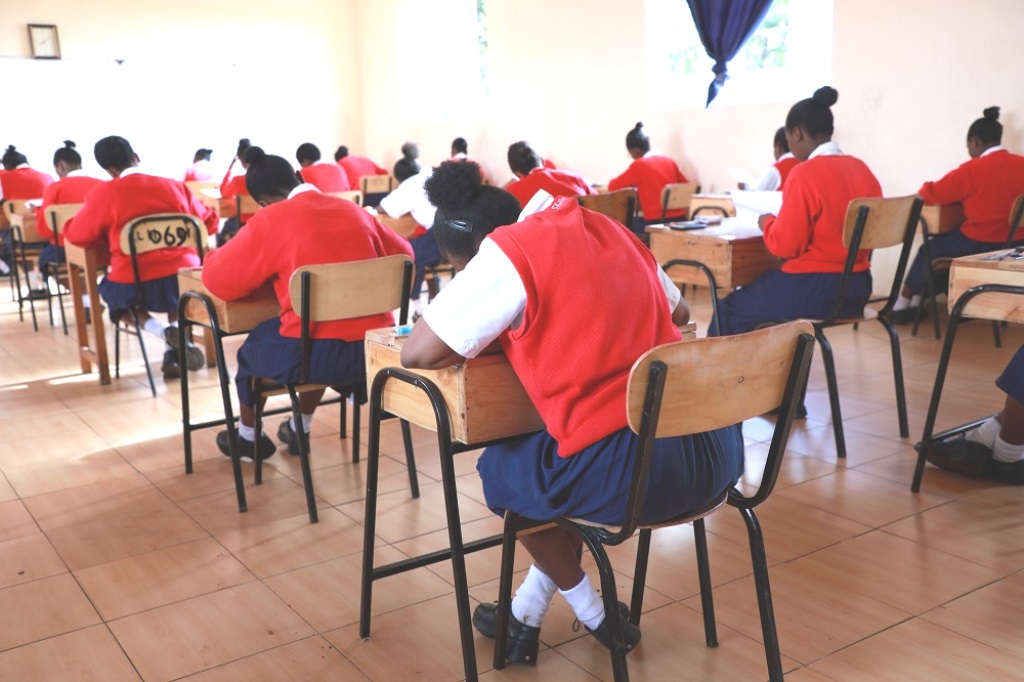
Remembering the trademark KCPE as we mark the second anniversary of its absence feels like standing at the edge of a quiet field where a loud stadium once stood. The silence is not empty; it is full of echoes. For decades, the Kenya Certificate of Primary Education was more than an examination. It was a national ritual, a shared anxiety, a collective hope, and for many, a feared but respected authority. To mention KCPE was to summon instant order in a noisy classroom, instant seriousness in a carefree learner, and instant commitment from parents who might otherwise have delayed paying fees. Its disappearance has left behind a strange mix of relief, confusion, nostalgia, and unresolved longing.
KCPE had a mystique that cannot be denied. It carried weight in a way only high-stakes examinations do. A teacher did not need to shout or threaten endlessly; a simple reminder that “KCPE is coming” could straighten backs and sharpen pencils. Learners understood, sometimes too early and too painfully, that this exam mattered. It promised escape from poverty for some, prestige for others, and validation for teachers and schools alike. In many homes, KCPE was the first serious academic conversation parents had with their children. It was the moment education stopped being abstract and became urgent.
Parents, too, responded to KCPE with almost religious seriousness. Fees that had delayed for months would suddenly be paid. Academic clinics would be attended without complaint. Extra books, revision papers, and tuition fees would be found, even when money was scarce. KCPE had the strange power of rearranging priorities. It forced parents into schools, into conversations with teachers, into confronting the reality of their children’s academic journeys. In that sense, it created a strong, if exam-driven, partnership between home and school.
ALSO READ:
Ndindi Nyoro pushes for KSh30 billion national kitty to fund free day secondary education
For teachers, KCPE was both a burden and a badge of honour. It pushed them to compete, to innovate, to stretch themselves and their learners. A good KCPE mean score could define a career, earn respect in staffrooms, and attract enrolment to a school. Teachers shared strategies, guarded secrets, and sometimes crossed ethical lines, all in pursuit of better results. While this pressure often distorted the true purpose of education, it also produced moments of dedication and sacrifice that are hard to dismiss. Teachers stayed late, arrived early, and gave their all because KCPE demanded it.
KCPE also worked what many called miracles. Stories abound of learners from humble backgrounds who used strong KCPE results to access good secondary schools, scholarships, and opportunities their parents could never have imagined. It was not a perfect system, but it offered a clear ladder. One exam, however flawed, could dramatically alter a life’s trajectory. For many Kenyans, their identity is still tied to their KCPE year and marks, casually mentioned in conversations decades later, as though it were a personal landmark.
Yet, even in nostalgia, honesty is necessary. KCPE was also harsh, unforgiving, and narrow. It reduced intelligence to numbers and ranked children at an age when they were still discovering themselves. It fuelled unhealthy competition, teaching to the test, and immense anxiety. Creativity, talent, character, and practical skills were often sacrificed at the altar of examinable content. The fear it instilled sometimes disciplined, but it also silenced curiosity and joy in learning.
Two years after its exit, the absence of KCPE feels unsettling because nothing equally authoritative has fully taken its place in the public imagination. The Competency-Based Curriculum promises holistic development, continuous assessment, and reduced exam anxiety. These are noble goals. However, the transition has exposed a vacuum of motivation and accountability that KCPE once filled, rightly or wrongly. Without that “magic wand,” classrooms feel different. Parents are unsure when to be alarmed. Teachers struggle to inspire urgency. Learners, sensing the shift, sometimes drift.
ALSO READ:
There is no perfect teacher, curriculum or lesson – only committed educators
The nostalgia, then, is not necessarily for KCPE itself, but for the clarity it provided. Everyone knew the rules of the game. Everyone understood what was at stake. The challenge before us is not to resurrect KCPE in form or spirit, but to build a new culture of seriousness, responsibility, and shared purpose without fear-driven examinations. Discipline must now come from engagement, relevance, and relationships, not looming final papers. Parental involvement must be sustained by understanding, not panic. Teacher excellence must be motivated by professionalism, not rankings alone.
As we mark the second anniversary of KCPE’s absence, we remember it not as a perfect system, but as a powerful one. It shaped generations, for better and for worse. The memories are nostalgic because they are tied to certainty in an uncertain educational present. The task ahead is to ensure that what replaces KCPE does not merely remove pressure, but also retains purpose, direction, and meaning. Otherwise, the silence left behind will continue to feel louder than the exam ever was.
By Ashford Kimani
Ashford teaches English and Literature in Gatundu North Sub-county and serves as Dean of Studies.
You can also follow our social media pages on Twitter: Education News KE and Facebook: Education News Newspaper for timely updates.
>>> Click here to stay up-to-date with trending regional stories
>>> Click here to read more informed opinions on the country’s education landscape