The Kenya National Examinations Council (KNEC) has rejected petitions seeking a recalculation of KCSE results based on the Kenyan Sign Language subject (KSL), insisting that the paper is strictly reserved for candidates with hearing impairment.
This follows a petition filed earlier by Busia Senator Okiya Omtatah seeking broader recognition of KSL in grading.
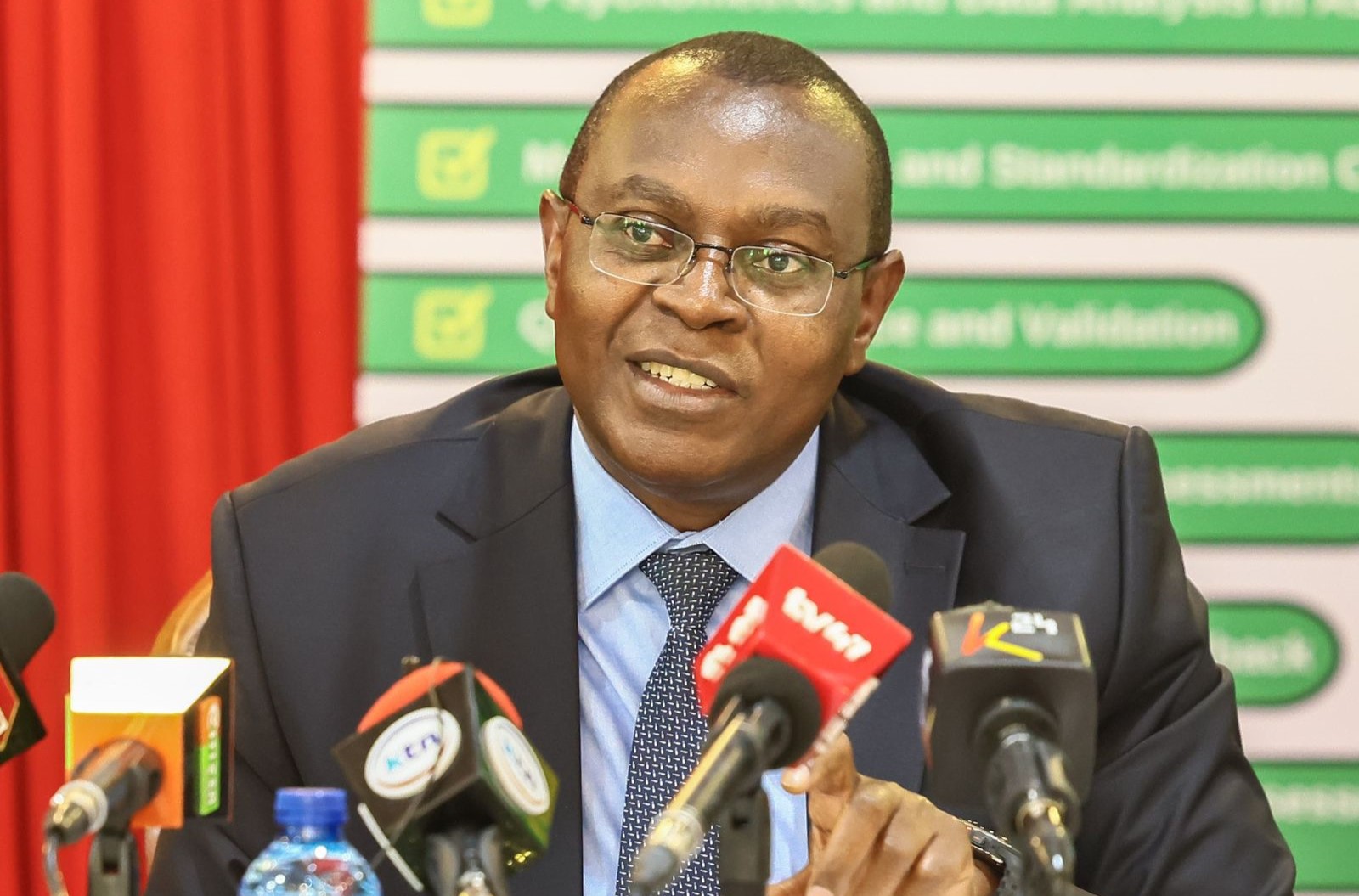
KNEC Chief Executive Officer David Njengere stated that KSL was introduced in 2010 to provide a fair assessment for learners with hearing challenges, and that the policy has remained unchanged. He noted that the Kenya Institute of Curriculum Development (KICD) has not revised the KSL syllabus to include candidates without hearing impairment, and the rules governing subject selection are explicit.
“Specifically, the clause on subject selection for examination purposes remains unchanged. Clause 4.1.5: Kenyan Sign Language is to be taken only by candidates with hearing impairment,” Njengere stated, adding that the framework ensures equity by aligning assessment with the needs of learners who cannot access spoken‑language subjects in the same way as their peers.
ALSO READ:
KNEC stated that not all subjects can be adapted for every category of special needs, citing Kiswahili as an example that presents technical challenges for hearing-impaired candidates. The Council argued that KSL fills this gap by offering an appropriate language medium for those learners, while other candidates should continue with the standard language options.
According to KNEC, 4,162 candidates sat for KSL in the recent KCSE, but 3,493 were not eligible to be graded because they did not meet the requirement of hearing impairment. The Council described such registrations as an abuse of a system designed to protect vulnerable learners who face language barriers in other subjects, warning that misapplication undermines inclusive measures meant to guarantee equal opportunity.
Njengere said the Council remains committed to openness and inclusion in the examination process and is ready to engage stakeholders on strengthening support for learners with special needs without diluting the integrity of subject rules or the fairness of national grading standards.
By Masaki Enock
You can also follow our social media pages on Twitter: Education News KE and Facebook: Education News Newspaper for timely updates.
>>> Click here to stay up-to-date with trending regional stories
>>> Click here to read more informed opinions on the country’s education landscape