The Jaramogi Oginga Odinga University of science and Technology, (JOOUST) is at an advanced stage of developing a policy framework to regulate and promote responsible gambling in Universities and other institutions of higher learning in the country.
The policy is coming after a research finding that revealed harmful effects of gambling among students and University staff.
The University’s proposed policy dubbed “gambling harm intervention policy” entails a raft of measures that the institution of higher learning aims to implement to promote responsible gambling activities within universities.
In 2025, JOOUST released the research finding on effects of gambling at the University which revealed that 70% of students at the institution (male and female) who are involved in gambling were on the verge of addiction, stress and had suicidal tendencies.
The research also indicated that over 30% of academic staff were engaged in gambling which affected their productivity.
According to the gambling harms report, students used money from HELB to gamble more than the monies they earned from menial jobs leading to non- payment of school fees.
The recommendations of the research which was funded by Bristol hub is set to be up scaled at the University of Nairobi, Bristol University in UK, University of Lagos and the University of Capetown in South Africa.
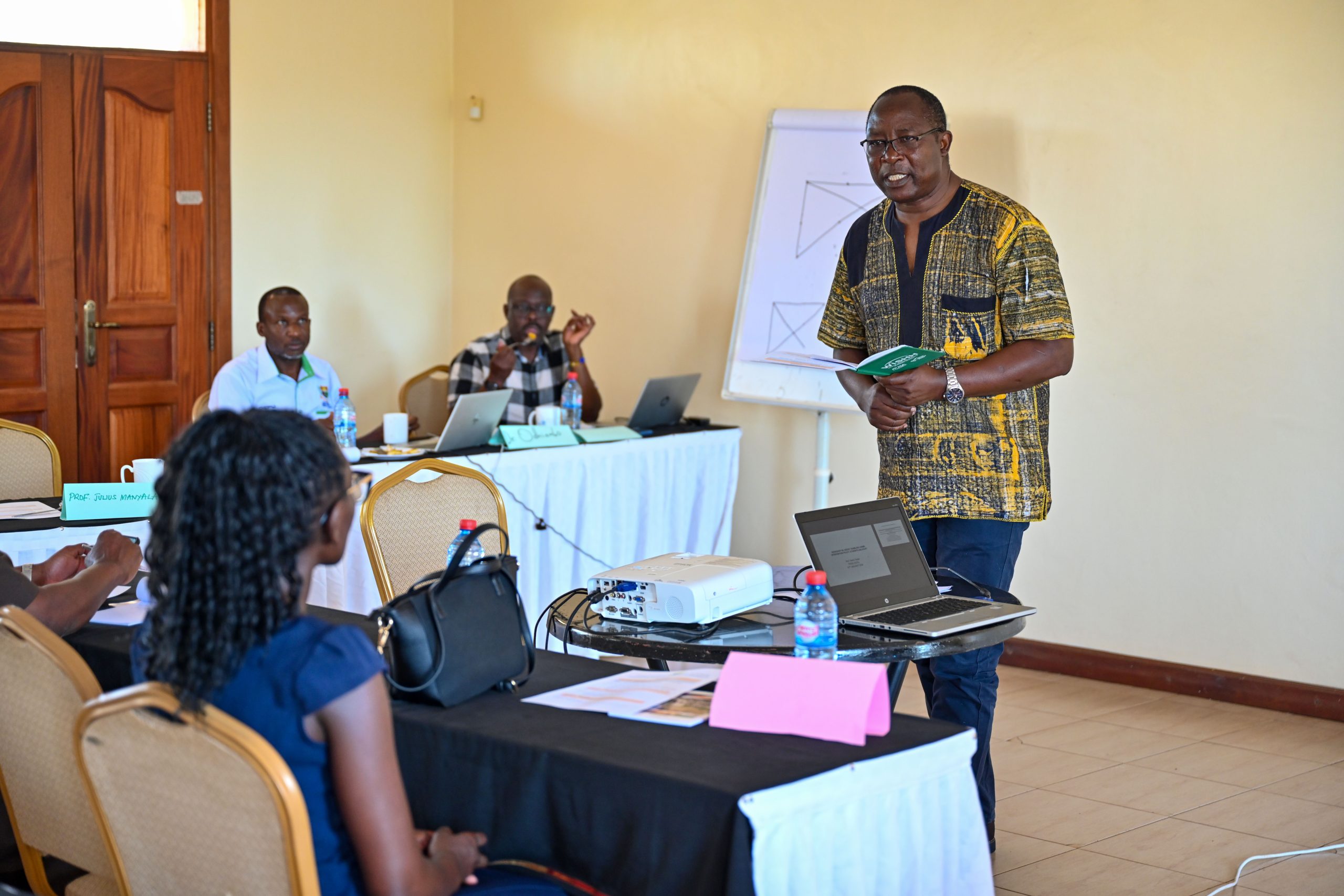
Speaking during a stakeholders engagement forum, Prof. Julius Manyala, the university’s Director of Research, Innovation and Extension stated that the study was conducted as part of a broader project examining gambling harms in public universities in Kenya.
ALSO READ:
NACADA raids cannabis dens exposing Ahero Girls to drug abuse
“Participants at the meeting acknowledged that gambling has increasingly become normalised among students, fueled by easy access to mobile betting platforms and aggressive advertising.” He said.
The forum discussed proposed interventions including awareness and education programmes, strengthening student counselling services, staff training on early identification of gambling-related problems, and the development of a university gambling harms policy to guide prevention, support and referral mechanisms.
Prof Joseph Bosire a lead researcher in the project said the outcomes of the meeting will inform the finalisation of the intervention policy, which is expected to be integrated into existing student welfare and health programmes.
“The university also plans to collaborate with external partners to expand support services beyond the campus,” said Bosire.
He also disclosed that they have secured additional funding of 6,000 pounds to develop a policy that will be cascaded to all universities, underscoring the importance of the policy to regulate gambling at the institutions saying it will boost both students’ performance and the productivity of the academic staff.
Bosire disclosed that among the proposed intervention to regulate gambling within the university is the use of ICT and partnering with HELB for direct fee payment and lobbying the government for review of existing weak gambling laws in the country.
“The policy on how to mitigate gambling effects is just a single intervention, we also have counseling and mentorship programs and we are considering the use of technology and fire walls to regulate gambling within the universities,” Bosire remarked.
ALSO READ:
MoE to devolve some top national schools to strengthen local education systems
Prof. Bosire observed that gambling is not illegal in the country and the university’s role is to promote responsible gambling and not eradicate it.
Gambling Regulatory Authority Assistant director Oluoch Oyucho who graced the occasion commended JOOUST university for the research on gambling harm effects adding that the findings would inform key policy decision to regulate gambling in institutions of higher learning.
Oluoch disclosed that the gambling regulatory authority is ready to work with the university and other stakeholders in the country to mitigate the harmful effects of gambling.
He on the other hand refuted media reports about people who have allegedly committed suicide because of gambling saying the suicide cannot be expressly linked to gambling.
“As an authority we have learnt through the media about suicide cases in the country linked to gambling. I want to say that the reports cannot be substantiated.” Said Oluoch.
According to Betting Control and Licensing Board there are ninety-nine registered gaming companies in the country with the government estimated to have collected Kshs 24.6 billion in taxes from the gaming companies in 2024.
The meeting brought together university management, lecturers, student leaders, counsellors, researchers and community representatives to deliberate on the growing impact of online betting among young people and vulnerable groups within the university.
By Erick Nyayiera
You can also follow our social media pages on Twitter: Education News KE and Facebook: Education News Newspaper for timely updates.
>>> Click here to stay up-to-date with trending regional stories
>>> Click here to read more informed opinions on the country’s education landscape