West Pokot County and the World Vision Kenya has come together to intensify the fight against rampant Female Genital Mutilation, (FGM) in the region to save future generations from the harmful practices.
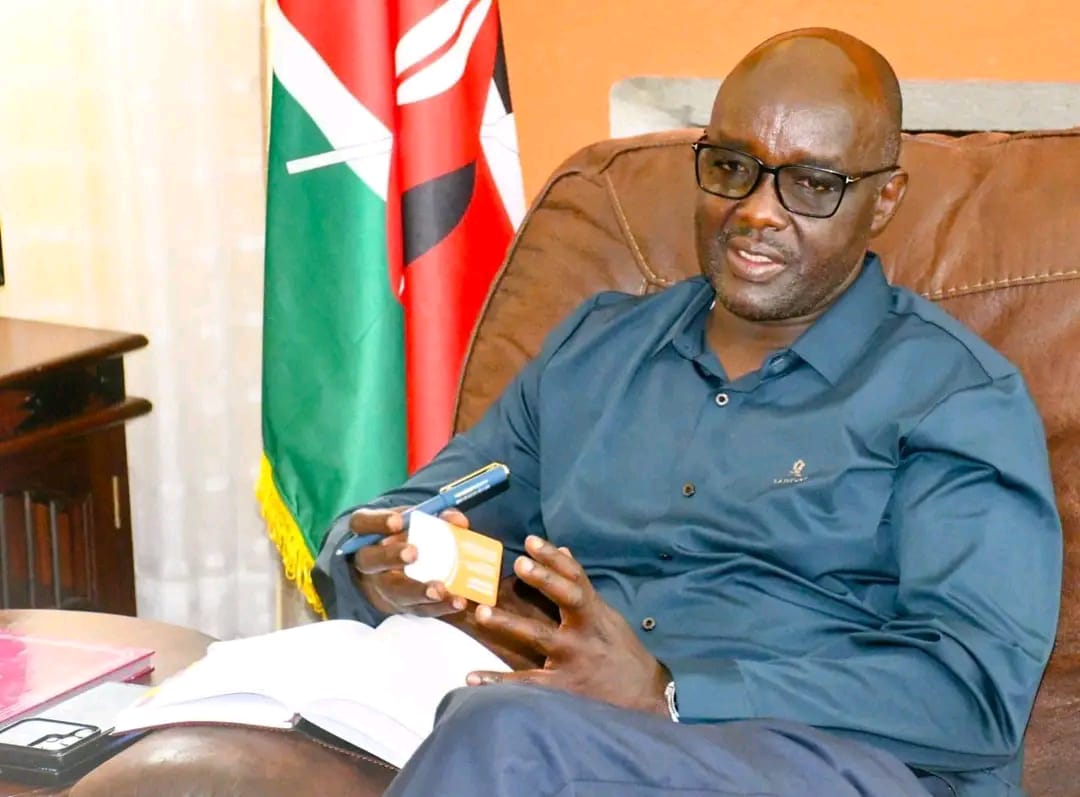
This comes after a delegation from World Vision led by Regional Manager Mark Mutai reaffirmed a shared commitment to intensifying the fight against FGM after meeting Governor Simon Kachapin in his office and holding a meeting, where a partnership anchored in action, shared values, and a collective resolve to protect girls were agreed upon
According to reports, the unity will place anti-FGM advocacy alongside education, health, and livelihoods in order to end the practice completely.
FGM is often performed on girls at a tender age, sometimes before they even understand what is being done to them. The immediate consequences include severe pain, excessive bleeding, infections, and, in extreme cases, death. The long-term effects are equally devastating—complications during childbirth, chronic health problems, sexual dysfunction, and profound emotional distress. For many survivors, the trauma lingers silently, shaping their self-worth, relationships, and sense of safety. In schools, teachers encounter girls who drop out abruptly, not because they lack ability, but because harmful practices have cut short their educational journey.
For decades, the practice has silently inflicted pain on generations of girls and women, often justified under the guise of culture and tradition. Yet the reality is far more devastating. FGM is a violent violation of the body and dignity of girls, leaving lifelong physical scars, deep psychological trauma, and, in many cases, irreversible health complications. Communities that continue to practice it pay a heavy price—lost potential, broken dreams, and cycles of inequality that persist across generations.
Beyond the individual, FGM undermines the social and economic fabric of communities. Girls who are forced out of school are more likely to marry early, remain economically dependent, and live in poverty. Communities lose future professionals, leaders, and innovators. Health systems are burdened with preventable complications, while families bear emotional and financial costs that could have been avoided. Ending FGM, therefore, is not only a moral imperative but also a strategic investment in sustainable development.
ALSO READ:
Understanding hidden truth behind ‘agency fee’ and teacher unions politics
Anti-FGM campaigns play a crucial role in dismantling the myths and fears that sustain the practice. For years, silence has been one of FGM’s strongest allies. Many parents comply not out of cruelty, but out of fear—fear of social exclusion, fear that their daughters will not be married, fear of defying elders. Advocacy efforts that open safe spaces for dialogue help communities confront these fears honestly. When elders, religious leaders, women, men, and young people sit together and speak openly, harmful traditions begin to lose their grip.
The strength of the partnership between the county government and World Vision Kenya lies in its holistic approach. Rather than focusing solely on prohibition, the collaboration addresses the underlying drivers of FGM. Education programmes empower girls with knowledge about their rights and their bodies. Health initiatives provide care and counselling to survivors. Economic empowerment programmes reduce household vulnerability, making families less likely to resort to harmful practices as a means of social acceptance or economic security. Alternative rites of passage offer communities dignified ways to celebrate cultural identity without harming girls.
Political leadership is indispensable in this fight. When a governor publicly champions the elimination of FGM, it legitimises the conversation and emboldens local leaders to act. It signals that protecting girls is not negotiable and that culture must serve humanity, not harm it. Laws against FGM exist in Kenya, but legislation alone cannot change hearts and minds. Enforcement must go hand in hand with education, compassion, and community ownership—an approach evident in the county’s collaboration with trusted grassroots partners.
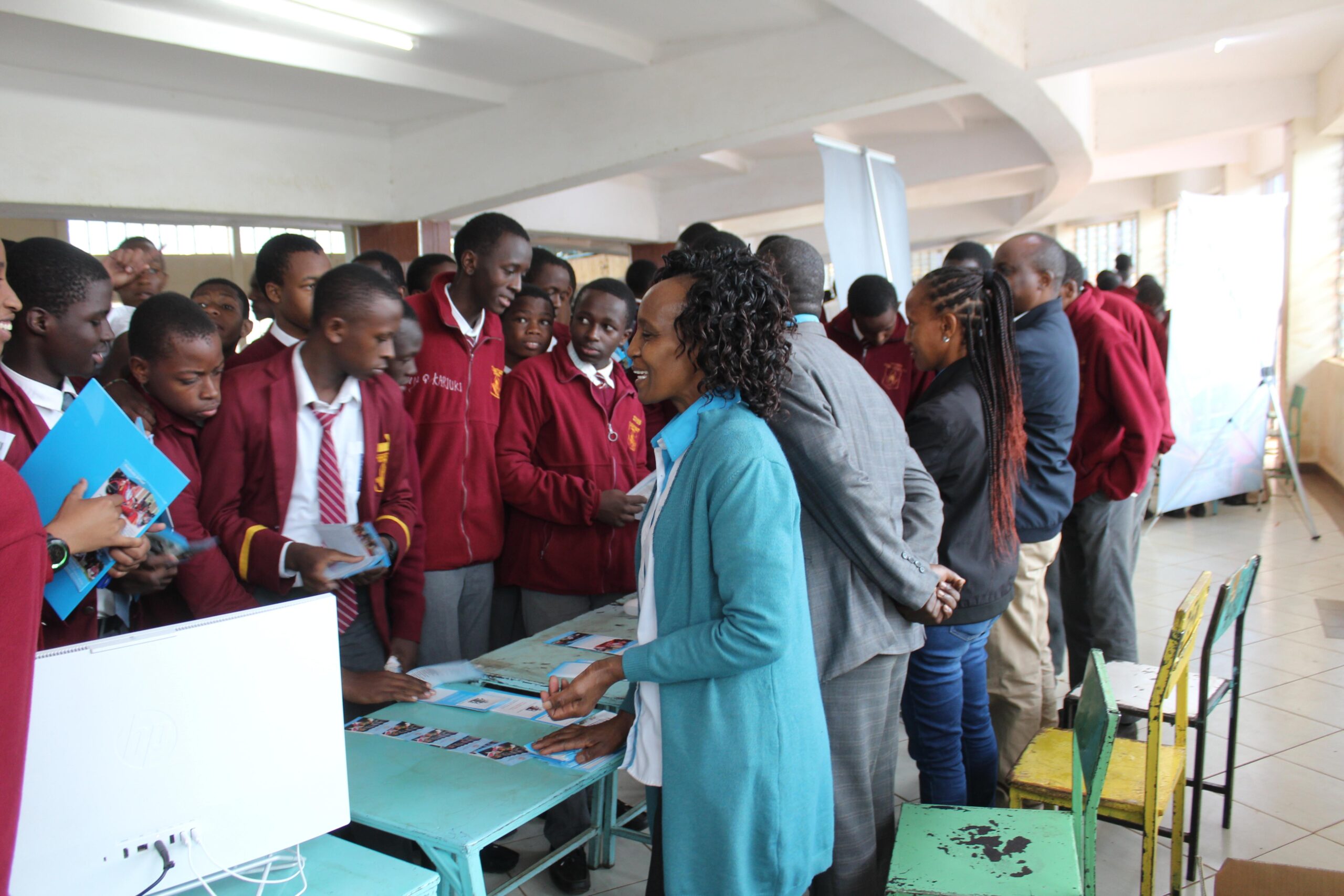
World Vision Kenya’s presence at the grassroots level enables sustained engagement that goes beyond workshops and public declarations. Community facilitators walk with families through the process of change, listening to concerns, addressing misconceptions, and reinforcing positive choices. Survivors are supported not as victims to be pitied, but as voices of courage whose stories can inspire transformation. Young people are empowered to become advocates, challenging harmful norms and envisioning a future defined by dignity and opportunity.
ALSO READ:
CUE names approved universities, declares 16 institutions illegal
The role of men and boys in anti-FGM campaigns cannot be overstated. Traditionally excluded from conversations about FGM, they are now being engaged as allies and protectors. When fathers, brothers, and community leaders speak out against the practice, it dismantles the notion that FGM is solely a “women’s issue.” It becomes a collective responsibility. Changing attitudes among men not only protects girls but also fosters healthier relationships and more equitable communities.
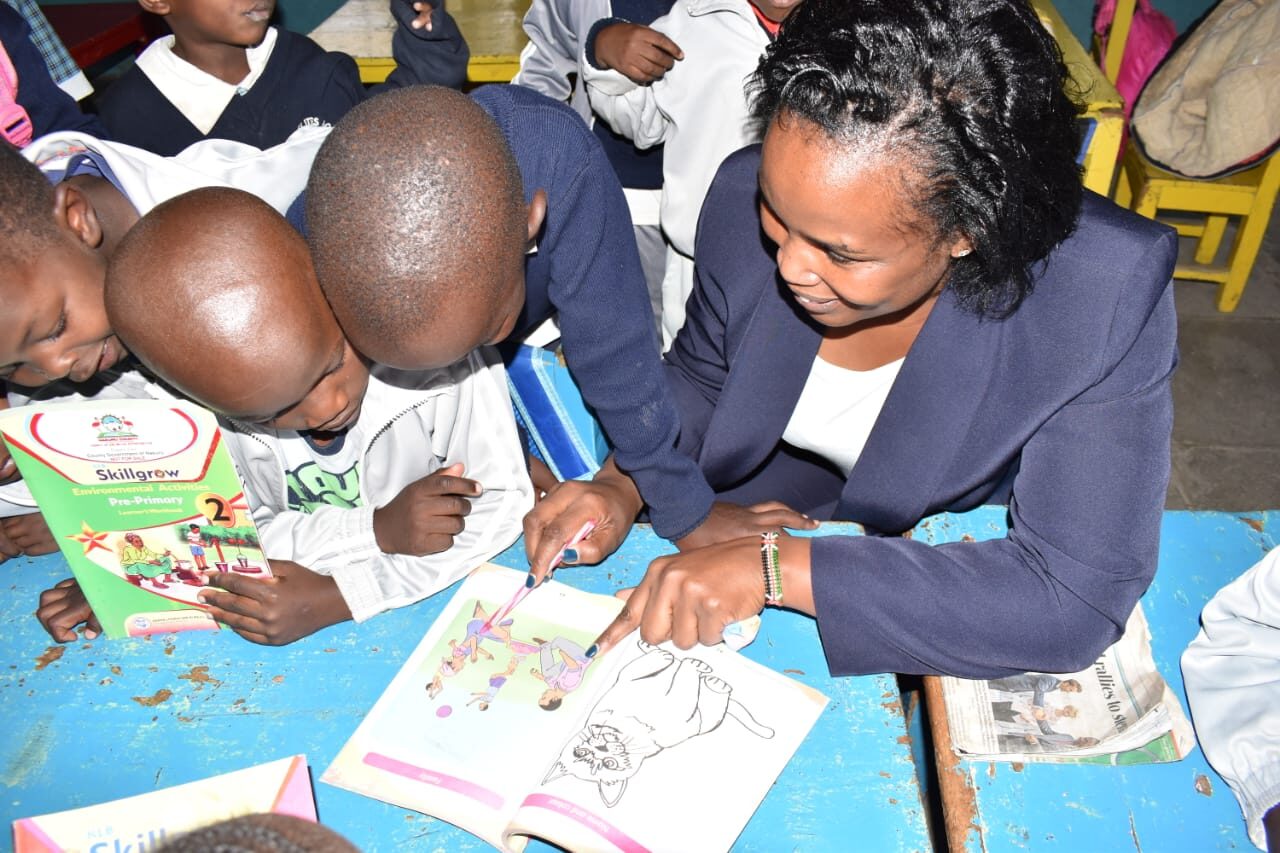
Education remains one of the most powerful tools in ending FGM. Girls who stay in school longer are less likely to undergo the practice. Schools become safe spaces where values of equality, respect, and critical thinking take root. Teachers, when supported and trained, become frontline defenders of children’s rights. By linking anti-FGM advocacy to education programmes, the county and its partners are safeguarding both the present and future of their communities.
Ending FGM is a long journey that demands patience, courage, and unwavering commitment. Progress may be gradual, and setbacks may occur, but each protected girl represents a victory that echoes far beyond her own life. She becomes a symbol of what is possible when leadership, community engagement, and development partnerships align around a common cause.
The collaboration between Governor Kachapin’s administration and World Vision Kenya reflects a broader truth: real change happens when government authority meets community trust. Together, they are not only challenging a harmful practice but also redefining what development means—placing human dignity, especially that of the girl child, at the centre of progress.
As the county continues to strengthen its anti-FGM efforts, the message is unmistakable. The future will not be built on pain and silence, but on protection, empowerment, and hope. A society that defends its girls defends its future. Ending FGM is not an option; it is an obligation owed to every child, every family, and every generation yet to come.
By Hillary Muhalya
You can also follow our social media pages on Twitter: Education News KE and Facebook: Education News Newspaper for timely updates.
>>> Click here to stay up-to-date with trending regional stories
>>> Click here to read more informed opinions on the country’s education landscape