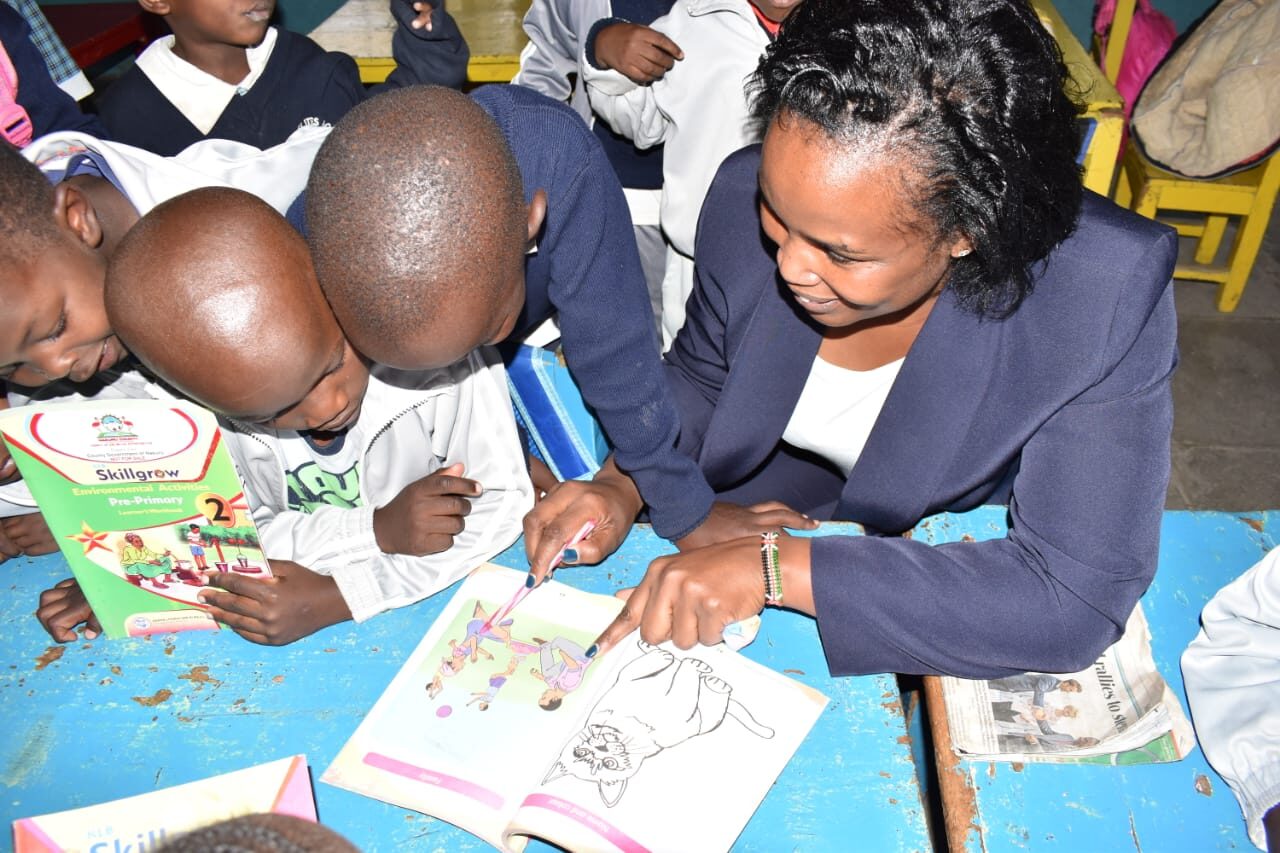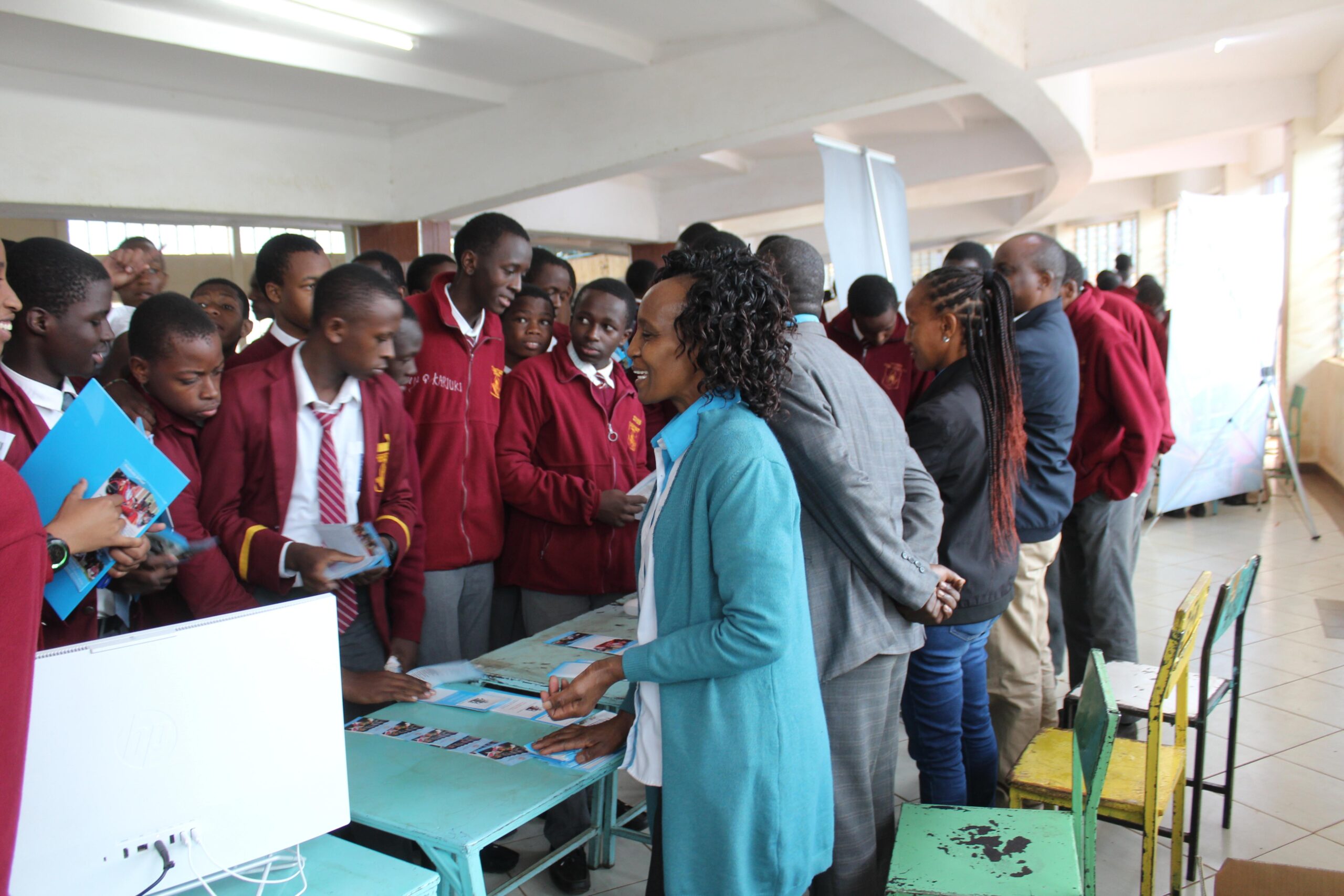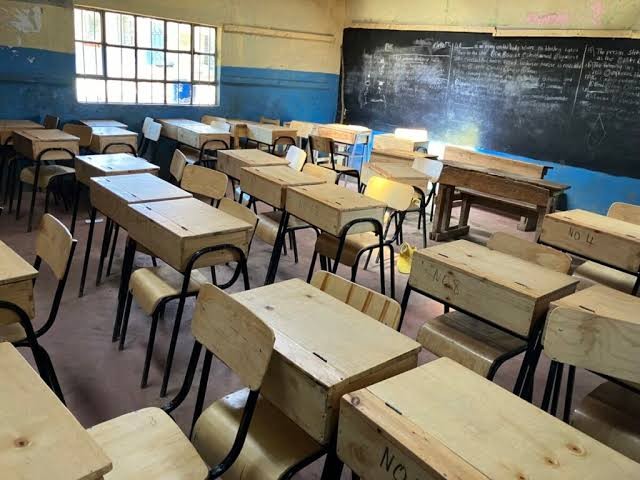
On an ordinary school morning in Kiharu, something quietly radical is happening. Learners file into class knowing they will not be sent home due to unpaid fees. By midday, plates of lunch arrive reliably and predictably, without drama. Teachers teach without the constant interruption of empty desks. Parents breathe a little easier. It does not look revolutionary. And yet, in the context of Kenya’s strained education system, it is.
The Kiharu Masomo Bora Programme is not loud. It is not flashy. It does not trade in slogans alone. But it may well be one of the clearest examples of how local leadership can transform education when it treats learning as a lived experience rather than a policy abstraction. For other constituencies across Kenya, Kiharu offers lessons that go beyond budgets and into the deeper question of what it means to take responsibility for children.
For years, debates about education have been trapped at the national level, with curriculum wars, transition anxieties, exam reforms and funding shortfalls. Meanwhile, in constituencies, the everyday realities of learners have remained stubbornly unchanged: hunger, hidden costs, absenteeism, quiet dropouts and overstretched schools. Kiharu’s intervention shifts the lens. It says: start where the child is.
ALSO READ:
KEJUSTA warns against electing “sellouts” as JSS autonomy push intensifies
The first and perhaps most powerful lesson other constituencies can learn from Kiharu is that access is meaningless without affordability. Officially, secondary education in Kenya is subsidised. In practice, it is expensive. Lunch fees, activity charges, remedial costs and development levies have turned schools into places of constant negotiation between parents and administrators. Many learners do not drop out dramatically; they fade away slowly, sent home repeatedly until returning feels impossible.
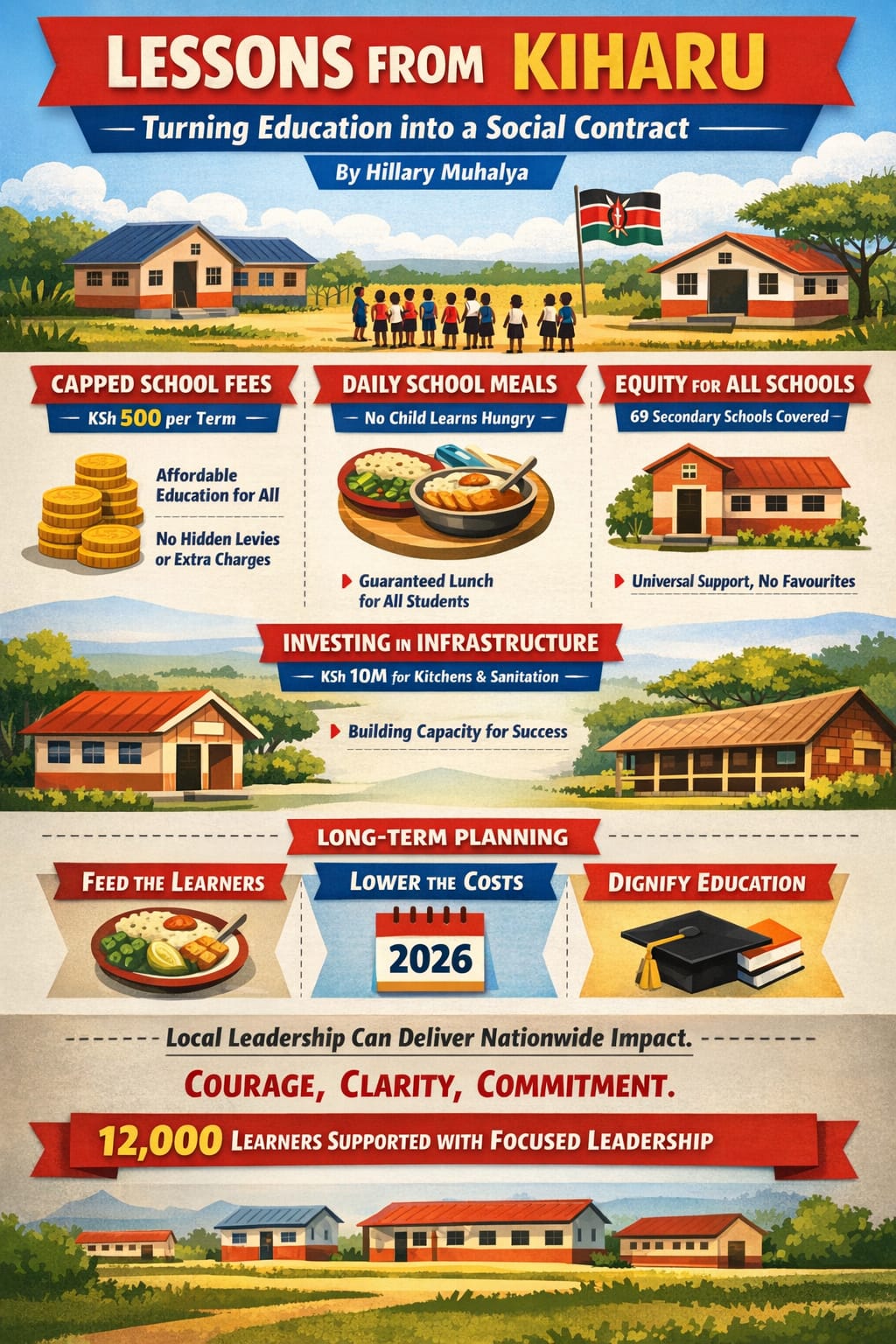
By reducing fees to KSh 500 per term, Kiharu confronts this uncomfortable truth directly. It acknowledges what many leaders prefer to ignore: that poverty is not theoretical, and that “small” charges are often the most devastating. Other constituencies should study this choice carefully. It is not about generosity alone; it is about removing friction from learning. When cost stops being a daily threat, attendance stabilises, discipline improves, and performance follows.
Then there is the matter of food. Kenya has known for decades that nutrition and learning are inseparable. Studies have been cited, conferences held, and reports written. Yet secondary school feeding programmes remain rare, inconsistent or treated as optional extras. Kiharu does the opposite. It places lunch at the centre of the education experience, not as charity, but as infrastructure.
The guarantee of daily meals across all learning days sends a powerful message: hunger will not be allowed to compete with learning. For adolescents whose nutritional needs are high and whose attention spans are fragile, this matters enormously. Other constituencies must confront a hard reality: you cannot lecture a hungry teenager into excellence. Feeding learners is not a distraction from academics; it is foundational to them.
Equally instructive is how the programme is structured. Funds are sent directly to schools, not to parents, reducing the risk of diversion and inequality. All schools are included, not just a select few. This universality is critical. Many well-meaning initiatives fail because they create winners and losers within the same community. Kiharu avoids this trap. Every public secondary school counts. Every learner matters.

This leads to another lesson: equity is a design choice. When leaders deliberately include all schools, disparities narrow. When they focus only on top performers or visible institutions, inequality deepens. Other constituencies, especially those with mixed urban-rural profiles, would do well to reflect on this. Education systems do not improve by lifting a few; they improve by raising the floor.
Kiharu also demonstrates the often-overlooked importance of unsexy investments. Kitchens, sanitation facilities and minimum hygiene standards rarely excite political crowds. Yet they determine whether programmes survive beyond announcements. By allocating funds specifically to improve school kitchens and insisting on sanitation thresholds, Kiharu aligns dignity with delivery. Feeding children without clean water or functional kitchens would have been performative. Preparing the ground first makes the intervention sustainable.
Across the country, many constituencies announce ambitious education programmes that collapse quietly within a year. The reasons are familiar: lack of infrastructure, overstretched staff, unclear standards. Kiharu’s approach offers a corrective lesson: build systems before scaling promises. Other leaders should note that longevity in education policy is earned through preparation, not optimism.
There is also something to be learned from the programme’s sense of time. Automatically enrolling all Form One learners joining in 2026 is not just an administrative detail; it is a statement of intent. It reassures parents at a moment of high anxiety. It gives schools certainty. It removes the chaos that often accompanies new initiatives rolled out midstream. Education, more than most sectors, thrives on predictability. Kiharu understands this.
Contrast this with the stop-start nature of many constituency projects, often tied tightly to political cycles. When initiatives are announced with fanfare and abandoned silently, communities lose trust. Kiharu’s model suggests that education leadership should outlive political seasons. Other constituencies should ask whether their programmes are designed to endure or merely to impress.
Beyond structures and funding, the deeper lesson from Kiharu is philosophical. The programme treats education as a shared moral responsibility, not a transactional service. Parents are relieved but not sidelined. Schools are supported but held to standards. Learners are beneficiaries, not beggars. This balance matters. Where parents feel excluded, resentment grows. Where schools are unaccountable, standards slip. Where learners are stigmatised, dignity is lost.
ALSO READ:
KNUT Nairobi holds branch elections as Macharia clinches Executive Secretary in landslide victory
Kiharu also challenges the culture of blame that has come to define education discourse. Teachers are blamed for poor results. Parents are blamed for indiscipline. Learners are blamed for failure. The Masomo Bora Programme quietly shifts the narrative. It asks: What if the system itself removed some of the barriers it has normalised? Other constituencies should take this challenge seriously. Blame is cheap. Solutions are harder but far more effective.
There are lessons here, too, for national policymakers. Kiharu does not undermine national education frameworks; it strengthens them. It fills gaps left by Free Day Secondary Education without creating parallel bureaucracies. It demonstrates how local leadership can complement national policy through targeted, disciplined intervention. This is devolution at its best, not duplication, but reinforcement.
For constituencies waiting for Nairobi to fix everything, Kiharu offers a gentle rebuke. National policy sets direction, but local leadership determines lived reality. Where gaps exist, constituencies must act thoughtfully. Where systems strain, innovation must be grounded in accountability.
Ultimately, what Kiharu offers other constituencies is not a template to copy blindly, but a mindset to adopt. Start with the learner. Remove obstacles before demanding results. Invest in dignity as much as infrastructure. Plan beyond the next announcement. Choose equity deliberately.
In a time when Kenya is wrestling with curriculum transitions, senior school pressures and widening inequality, the Kiharu experience stands out not because it claims perfection, but because it demonstrates seriousness. It reminds us that education reform does not always arrive through sweeping national declarations. Sometimes, it begins with something as basic and as profound as ensuring a child eats, stays in school and learns without fear.
Other constituencies would do well to pay attention. Not because Kiharu has all the answers, but because it has asked the right questions and acted on them.
By Hillary Muhalya
You can also follow our social media pages on Twitter: Education News KE and Facebook: Education News Newspaper for timely updates.
>>> Click here to stay up-to-date with trending regional stories
>>> Click here to read more informed opinions on the country’s education landscape