Grade 10 represents a critical stage in a learner’s educational journey. It is the year when foundational skills from lower secondary education are tested, specialized subjects gain prominence, and career and academic pathways begin to take shape. Yet, in many schools across the country, learners are entering this crucial phase without the essential resources that make learning meaningful. The absence of textbooks, lack of laboratories and workshops, shortage of qualified teachers, and minimal access to computers threatens not only their academic success but also the very investments parents have made, often at great personal sacrifice.
At the heart of effective Grade 10 education is the availability of textbooks and learning materials. A textbook is not merely a guide for content; it is the primary tool through which learners understand concepts, practice skills, and reinforce what is taught in the classroom. In many schools, learners are forced to share a single book among five or more classmates. In other instances, books are outdated or insufficiently aligned to the current curriculum. When textbooks are scarce, independent study becomes impossible. Learners cannot revise at home, complete assignments effectively, or prepare adequately for examinations. Teachers, in turn, are forced to dictate notes, slow down the lesson pace, or rely on improvisation, which compromises the depth and quality of learning.
The shortage of textbooks also exacerbates inequality between schools. Urban or well-resourced schools manage to maintain sufficient books and materials, while rural and marginalized schools fall behind. Learners in these under-resourced schools face a double disadvantage: they are expected to achieve similar national standards as their peers but are denied the basic tools to do so. Over time, this gap widens, affecting national examination performance, confidence, and access to higher education.
Equally critical is the availability of qualified teachers across all subjects. Grade 10 introduces learners to specialization in sciences, technical subjects, humanities, and emerging fields. Each subject demands a trained teacher capable of not only delivering content but also employing appropriate pedagogical strategies. Yet, many schools face acute teacher shortages. Mathematics, physics, chemistry, biology, and languages are frequently understaffed. Some schools lack instructors for ICT, technical subjects, or creative arts. Emerging and specialized subjects such as aviation studies, robotics, media studies, tourism, hospitality, and engineering basics are often unavailable because no trained teachers are on staff.
ALSO READ:
Expectations high as senior schools enroll first Grade 10 cohort under CBE
Where teachers are lacking, schools resort to measures that compromise learning. Subjects may be combined, lessons are sometimes irregular, or unqualified staff are tasked with teaching outside their expertise. The result is a curriculum that exists in name but not in practice. Learners who have ambitions in specialized areas are denied exposure to the skills and knowledge they need to pursue those careers. This not only limits career pathways but also contributes to frustration and disengagement. Teachers themselves face an enormous burden, juggling multiple subjects or handling oversized classes, often without the necessary support or professional development. Burnout, stress, and reduced morale are common outcomes.
Learning facilities are another essential component that often goes missing in many schools. Laboratories, workshops, libraries, studios, and well-equipped classrooms are not optional extras; they are central to experiential learning. Science subjects require laboratories for hands-on experiments. Technical and vocational subjects need workshops, tools, and materials to impart practical skills. Humanities and research-based subjects rely on functional libraries and access to reference materials. In the absence of these facilities, education becomes theoretical, rote, and disconnected from real-world application. Overcrowded classrooms, broken equipment, or poorly maintained spaces compound the challenge, making it difficult for teachers to implement practical exercises even when they are able.
Technology has emerged as a critical pillar of modern education. Digital literacy is no longer optional; it is essential for learners preparing for higher education and the workforce. Computers, internet access, and digital learning platforms are now central to curriculum delivery, assessments, and research. However, in many schools, computers are scarce or nonexistent. ICT lessons are often reduced to theory, and learners miss out on exposure to skills such as coding, data analysis, and online research. The digital divide between urban, well-resourced schools and rural or marginalized schools grows wider, limiting opportunities for those already at a disadvantage. Teachers, too, are restricted in their capacity to innovate, assess learners efficiently, and access professional development opportunities online.
The consequences of these challenges are compounded by the heavy financial and emotional investments parents make. Many families spend to the last cent, often making personal sacrifices, to ensure their children can access education. Fees, uniforms, textbooks, transport, and additional learning materials consume significant portions of household income, particularly in low- and middle-income families. When schools fail to provide basic resources or qualified teaching staff, these investments are rendered less effective. Parents are left frustrated, feeling that the sacrifices they have made are not translating into tangible benefits for their children. Learners, in turn, feel the effects of systemic failure, often through poor performance, lack of motivation, and diminished confidence.
ALSO READ:
Governor Barasa commissions state of the art ECDE centre in Mumias
Grade 10 also presents unique pressures because it is a transitional year. Learners are expected to handle increasingly complex subjects and prepare for national examinations, which determine access to higher secondary education and vocational or technical pathways. Subjects such as physics, chemistry, and mathematics are critical for careers in science, technology, engineering, and mathematics (STEM) fields. Technical subjects like computer studies, agriculture, hospitality, and aviation provide pathways into practical careers or further specialized training. When these subjects are under-resourced or untaught due to teacher shortages, learners are deprived of foundational knowledge, limiting their career and academic choices.
The situation underscores the need for flexible and responsive policy frameworks. Education does not operate in a vacuum; it is shaped by technological advances, evolving labor markets, changing societal needs, and demographic shifts. Policymakers must therefore anticipate emerging challenges, respond to gaps in teacher deployment, adjust curricula to include new fields, and ensure that schools are equipped with necessary materials and facilities. Rigid policies that fail to adapt to real-world conditions risk leaving reforms unimplemented or ineffective. Flexibility in policy allows for pilot programs, phased implementation, and evidence-based adjustments, ensuring that changes translate into tangible improvements in the classroom.
Effective planning, funding, and resource distribution are central to addressing these challenges. Timely allocation of funds, transparent procurement of materials, equitable deployment of teachers, and consistent maintenance of infrastructure are non-negotiable if Grade 10 education is to succeed. Teacher training and continuous professional development ensure that educators are prepared to handle specialized subjects and emerging technologies. School leadership and supervision play a critical role in coordinating resources, monitoring progress, and supporting teachers to deliver quality instruction.
The challenges facing Grade 10 learners are multi-layered and interdependent. Lack of textbooks, insufficient laboratories and workshops, teacher shortages, and limited access to technology interact to undermine learning outcomes. Addressing one gap in isolation—such as supplying textbooks without teachers or equipment—will not suffice. A holistic, coordinated approach is essential to create a learning environment where learners can thrive.
Furthermore, equity must remain at the forefront of interventions. Learners from rural or marginalized areas, who often face the greatest shortages, require targeted support. Ensuring that every child, regardless of location or socio-economic status, has access to adequate textbooks, qualified teachers, functional facilities, and digital tools is critical for bridging the education gap. Only through deliberate investment in both human and physical resources can the system begin to deliver on its promise of inclusive, high-quality education.
In conclusion, the success of Grade 10 learning depends on addressing all critical elements simultaneously. Textbooks, teachers, laboratories, workshops, computers, and flexible, responsive policies must work together to create the conditions necessary for meaningful learning. Parents’ sacrifices, often made to the last cent, must be matched by a system capable of delivering tangible educational outcomes. Grade 10 is not merely another year of schooling; it is a gateway to specialization, skills development, and future careers. Only through deliberate investment, responsive policymaking, and sustained commitment can the education system ensure that learners are equipped to succeed academically, professionally, and personally.
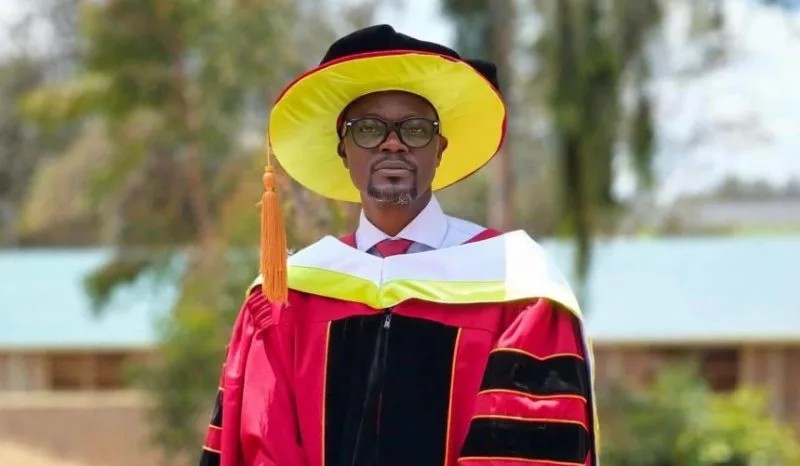
By Hillary Muhalya
You can also follow our social media pages on Twitter: Education News KE and Facebook: Education News Newspaper for timely updates.
>>> Click here to stay up-to-date with trending regional stories
>>> Click here to read more informed opinions on the country’s education landscape