Education is widely regarded as a key pathway to personal development, economic empowerment, and societal progress. In Kenya’s Nyanza region, families place a high value on education as a tool for breaking the cycle of poverty and improving the lives of future generations. However, multiple interrelated challenges hinder access to quality education, affecting children’s learning, household stability, and overall well-being. Among these challenges, the socio-economic practice of fish for sex, locally known as jaboya, has emerged as a significant factor influencing family dynamics, economic capacity, and educational outcomes.
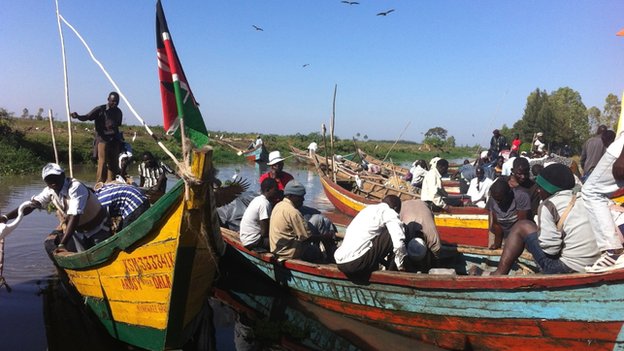
One of the most significant barriers to education in Nyanza is poverty, which is deeply intertwined with the fishing economy. Many households depend on subsistence farming, small-scale trade, or fishing along Lake Victoria. In fishing communities, men typically control the capture and sale of fish, while women play a critical role as traders. Women with limited capital often rely on the jaboya system, exchanging sexual favours for preferential access to fish.
While this practice may provide short-term survival, it reinforces economic dependency, undermines women’s financial independence, and diverts family resources toward immediate survival rather than investment in children’s education. As a result, families struggle to afford school fees, uniforms, textbooks, and other learning materials, forcing children into absenteeism or dropping out.
ALSO READ:
MP Nyakundi urges varsity students to stay disciplined, pledges transparent bursary process
Closely related to poverty is food insecurity, which also affects educational outcomes. Families participating in jaboya or those struggling to secure fish may experience irregular income, limiting their ability to provide consistent meals for children. Malnourished children attending school hungry struggle to concentrate, retain information, and perform academically. Chronic hunger leads to poor cognitive development and impairs learning, compounding the cycle of poverty that drives some women into exploitative arrangements like fish for sex in the first place.
Health challenges are another major concern affecting education in Nyanza. The region continues to have high HIV prevalence, and the jaboya system contributes to the spread of the virus due to multiple sexual partnerships and low condom use. Children in households affected by HIV often become caregivers for sick parents or siblings, reducing their time for school and disrupting learning routines. The emotional stress associated with parental illness or loss further affects educational outcomes. Frequent infections such as malaria and waterborne diseases, combined with limited access to quality healthcare, exacerbate absenteeism and impede academic progress.
Teenage pregnancies are a particularly serious challenge in Nyanza and are often linked to the jaboya system. Girls who engage in relationships with fishermen for access to resources or as a result of peer pressure may become pregnant at a young age. Early pregnancy typically forces girls to drop out of school due to stigma, childcare responsibilities, and lack of family support. Even when re-entry policies exist, returning to school is often difficult, especially for those from economically disadvantaged households. This not only limits educational attainment but also increases the risk of intergenerational poverty.
Family structure and stability play a significant role in educational outcomes. Many households in Nyanza are affected by single parenthood, child-headed families, or parental migration for work. In fishing communities, men often travel long distances or spend extended periods on Lake Victoria, leaving women to manage households and children’s education alone. When women rely on jaboya to access fish, their focus on survival may limit their ability to supervise and support children academically. Children growing up in unstable households may experience emotional challenges, absenteeism, or poor academic performance.
Alcohol and substance abuse within families, often prevalent in fishing communities, also undermines educational attainment. Alcohol abuse among men can lead to domestic violence, neglect of family responsibilities, and mismanagement of household income. Women engaged in jaboya may face additional stress in such households, diverting attention and resources away from children’s schooling. Children exposed to these environments often struggle with discipline, motivation, and learning, increasing the risk of school dropout or delinquency.
Cultural practices and gender norms further influence education. Patriarchal traditions often prioritize boys’ education over girls’, while girls are expected to participate in domestic chores or income-generating activities, including those tied to fishing or trading. Practices such as early marriage, wife inheritance, and social acceptance of the jaboya system limit girls’ school attendance and participation. Families sometimes perceive female education as less valuable than immediate financial survival, particularly in households engaged in exploitative arrangements for access to fish.
ALSO READ:
Over 68,000 learners to reapply for senior school transfer bids following first phase rejections
Environmental challenges exacerbate educational difficulties. Climate change, flooding, and land degradation affect both livelihoods and school attendance. Flooding along Lake Victoria displaces families, damages homes, and destroys school infrastructure. Children in affected areas may miss months of schooling or be forced to relocate to areas with inadequate educational facilities. Poor road networks and long distances to school further discourage regular attendance, especially when families depend on fish trading and other economic activities for survival.
Limited post-school opportunities and youth unemployment also affect educational outcomes. Families may question the value of investing in education when graduates face high unemployment rates, particularly in regions where informal economies dominate. The jaboya system, by creating immediate but precarious financial returns, may reinforce the perception that short-term survival is more critical than long-term investment in education. This mindset can lead to lower educational aspirations among children and reduce parental engagement in schooling.
Finally, the quality of education remains a challenge. Overcrowded classrooms, poorly trained teachers, inadequate learning materials, and limited infrastructure affect the learning environment. Children facing poverty, family instability, or exposure to the jaboya system require additional support, which many schools cannot provide due to resource constraints. Without targeted interventions, these learners are at risk of falling behind academically, perpetuating cycles of disadvantage.
In conclusion, educational challenges in Nyanza are deeply intertwined with socio-economic factors, family dynamics, cultural practices, and environmental conditions. The practice of fish for sex compounds these challenges by creating economic dependency, perpetuating gender inequality, and diverting resources away from children’s education. Addressing these issues requires a holistic approach that strengthens family capacity, empowers women economically, promotes gender equity, improves access to healthcare and nutrition, and enhances the quality and relevance of education. Community engagement, government interventions, and support from non-governmental organizations are essential to mitigate the negative effects of the jaboya system and ensure that every child in Nyanza has the opportunity to access and complete quality education. By tackling these challenges in an integrated manner, families in Nyanza can create a foundation for sustainable development, social stability, and future prosperity.
By Hillary Muhalya
You can also follow our social media pages on Twitter: Education News KE and Facebook: Education News Newspaper for timely updates.
>>> Click here to stay up-to-date with trending regional stories
>>> Click here to read more informed opinions on the country’s education landscape
>>> Click here to stay ahead with the latest national news.