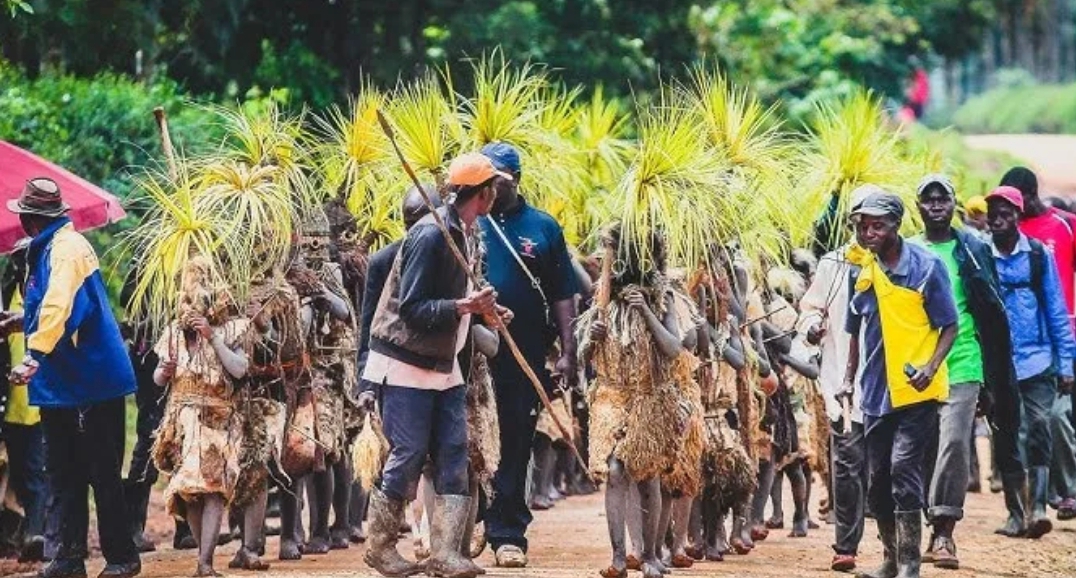
In Tiriki communities, as in many other Kenyan societies, circumcision is far more than a physical procedure; it is a profound cultural, social, and spiritual milestone. It marks a critical passage from childhood into a stage where responsibility, self-discipline, moral integrity, and awareness of one’s role in the family and community become essential. For Tiriki children, circumcision carries with it deep meaning: it is an occasion to embrace cultural identity, reflect on personal growth, and prepare for the responsibilities of adulthood. It is a tradition that strengthens communal bonds, fosters respect for elders, and reinforces values that have been passed down through generations.
As Rev. Evans Miheso often emphasizes during initiation ceremonies, circumcision should never be treated as a simple test of courage, a seasonal ritual, or a physical event to be endured. Rather, it is an opportunity for guidance, reflection, and moral instruction. Similarly, Bernard Mulindi has consistently highlighted that the true significance of circumcision is revealed not through the act itself, but through the character, conduct, and values a child exhibits afterwards. The lesson is clear: circumcision is a beginning, not an end, and the real transformation is measured by the child’s growth in wisdom, discipline, and responsibility.
Circumcision signals entry into a new chapter in a child’s life, a period where every decision, word, and action takes on greater significance. Tiriki children who undergo this rite are expected to demonstrate thoughtfulness, self-discipline, and maturity in their daily lives. Rev. Miheso notes that guidance from parents, guardians, teachers, and community elders must be intentional and consistent. Without active mentorship, children may misunderstand the meaning of the rite or fail to internalize the values it represents. Families and communities therefore, bear the responsibility of providing continuous counsel, modelling upright behaviour, and clearly communicating the expectations that come with this important milestone.
ALSO READ:
How learners can secure funding for higher education and skills growth
Respect forms the foundation of this guidance. In Tiriki culture, as in many others, honouring parents, elders, teachers, and spiritual leaders is a critical marker of maturity. Bernard Mulindi repeatedly underscores that respect is not simply a social formality; it is the cornerstone of strong families, harmonious communities, and personal growth. Children who demonstrate humility, a willingness to listen, and the ability to accept correction build relationships grounded in trust and guidance. Such respect also prepares them for future leadership roles, teaching them that authority is not to be challenged recklessly, but to be honoured wisely.
Peer influence plays a significant role in shaping behaviour during this period of transition. Many young lives are diverted from positive paths, not due to lack of ability, but because of the company they keep. Rev. Miheso advises Tiriki children to choose friends wisely, seeking peers who value education, discipline, faith, and positive ambition. Negative associations, those that encourage laziness, dishonesty, or risky behaviour can easily undermine the lessons of circumcision. Communities, schools, and churches must provide safe spaces, mentorship programs, and opportunities for healthy social engagement to ensure that children can grow in a positive environment.
Self-control is another crucial lesson imparted through circumcision. The physical act does not indicate readiness for sexual activity or adult relationships. Bernard Mulindi stresses the importance of understanding that maturity is demonstrated through restraint, patience, and the ability to prioritize long-term goals over immediate gratification. Tiriki children are encouraged to focus on education, personal growth, moral integrity, and respect for cultural and spiritual values while avoiding premature pressures or risky behaviour. Adults, particularly parents and community leaders, have a moral and spiritual duty to protect children from premature exposure to adult responsibilities and to provide guidance on emotional and social challenges.
Education and hard work are emphasized as essential tools for empowerment. Rev. Miheso describes learning as both a divine gift and a personal responsibility. Circumcised children are urged to approach their studies with seriousness, develop practical skills, and dedicate themselves to disciplined study. In a society that often glorifies shortcuts, fast wealth, and instant gratification, reinforcing the value of perseverance, patience, and effort is vital. Education equips children not only for personal success but also for service to family, community, and nation. It fosters critical thinking, encourages problem-solving, and builds confidence, all of which are essential qualities for responsible adulthood.
In addition to education, Tiriki children must be counselled on the dangers of drugs, alcohol, and criminal behaviour. Both Rev. Miheso and Bernard Mulindi emphasize that these vices are destructive, not only to individual lives but also to families, communities, and society at large. Exposure to these risks can derail promising futures and undermine the lessons of circumcision. True strength, according to both leaders, lies not in rebellion or risk-taking, but in the courage to make disciplined, morally upright decisions, even in the face of peer pressure or temptation. Prevention is a collective responsibility, requiring mentorship, community involvement, and consistent modelling of good conduct.
Health and personal care are also vital aspects of this stage. Children are encouraged to observe cleanliness, maintain proper nutrition, get adequate rest, and adhere to medical advice, particularly during the healing period. Rev. Miheso underscores that caring for one’s body is an expression of respect for life itself. Children should be encouraged to seek medical or emotional support whenever necessary, understanding that doing so demonstrates wisdom and courage, not weakness.
ALSO READ:
Kisumu MP Joshua Oron to integrate street children into schools and training institutions
Integrity, honesty, and trustworthiness remain central to the moral guidance of circumcised children. Bernard Mulindi emphasizes that these qualities distinguish responsible and respected individuals. Honesty in speech, reliability in promises, and fairness in action build the foundation of character that is expected of Tiriki children who have undergone circumcision. Respecting others, particularly girls and women, is essential. Any form of abuse, harassment, or coercion contradicts both cultural and spiritual teachings and brings shame to the individual and the community. Teaching children to value dignity, equality, and empathy is a key component of their moral formation.
Circumcision also provides an opportunity for spiritual and personal reflection. It is a time for children to think about their goals, their purpose, and the values they wish to uphold in life. Families and elders are encouraged to discuss with children the importance of humility, compassion, perseverance, and service to others. By internalizing these lessons, Tiriki children develop a sense of responsibility that extends beyond themselves, cultivating an understanding that their actions affect the well-being and reputation of their families and the broader community.
Ultimately, circumcised Tiriki children carry not only a physical mark of tradition but also the hopes, values, and expectations of their families and communities. As both Rev. Evans Miheso and Bernard Mulindi affirm, the rite of circumcision will only retain its true significance if it is accompanied by continuous guidance, moral teaching, mentorship, and consistent positive example. When these lessons are embraced, children transition into adulthood not merely as physically mature individuals, but as responsible, upright, and respected members of society.
Circumcision, therefore, should be seen as a call to action—a challenge to live with integrity, discipline, respect, and humility. It is an opportunity for families, spiritual leaders, and community members to instil values that will guide children through adolescence and prepare them for meaningful, honourable, and productive lives. By fostering resilience, promoting education, emphasizing moral integrity, and encouraging respect for others, Tiriki children can grow into adults who not only uphold cultural traditions but also contribute positively to society, inspire others, and lead by example.
This rite of passage is, at its core, a lifelong lesson. It reminds children that strength is measured not by physical endurance alone, but by character, choices, and the ability to live by the values taught by family, community, and faith. By embracing these principles, Tiriki children can navigate the challenges of adolescence with wisdom, courage, and integrity, ultimately growing into responsible, ethical, and respected citizens who honour their heritage and build a brighter future.
By Hillary Muhalya
You can also follow our social media pages on Twitter: Education News KE and Facebook: Education News Newspaper for timely updates.
>>> Click here to stay up-to-date with trending regional stories
>>> Click here to read more informed opinions on the country’s education landscape
>>>Click here to stay ahead with the latest national news.