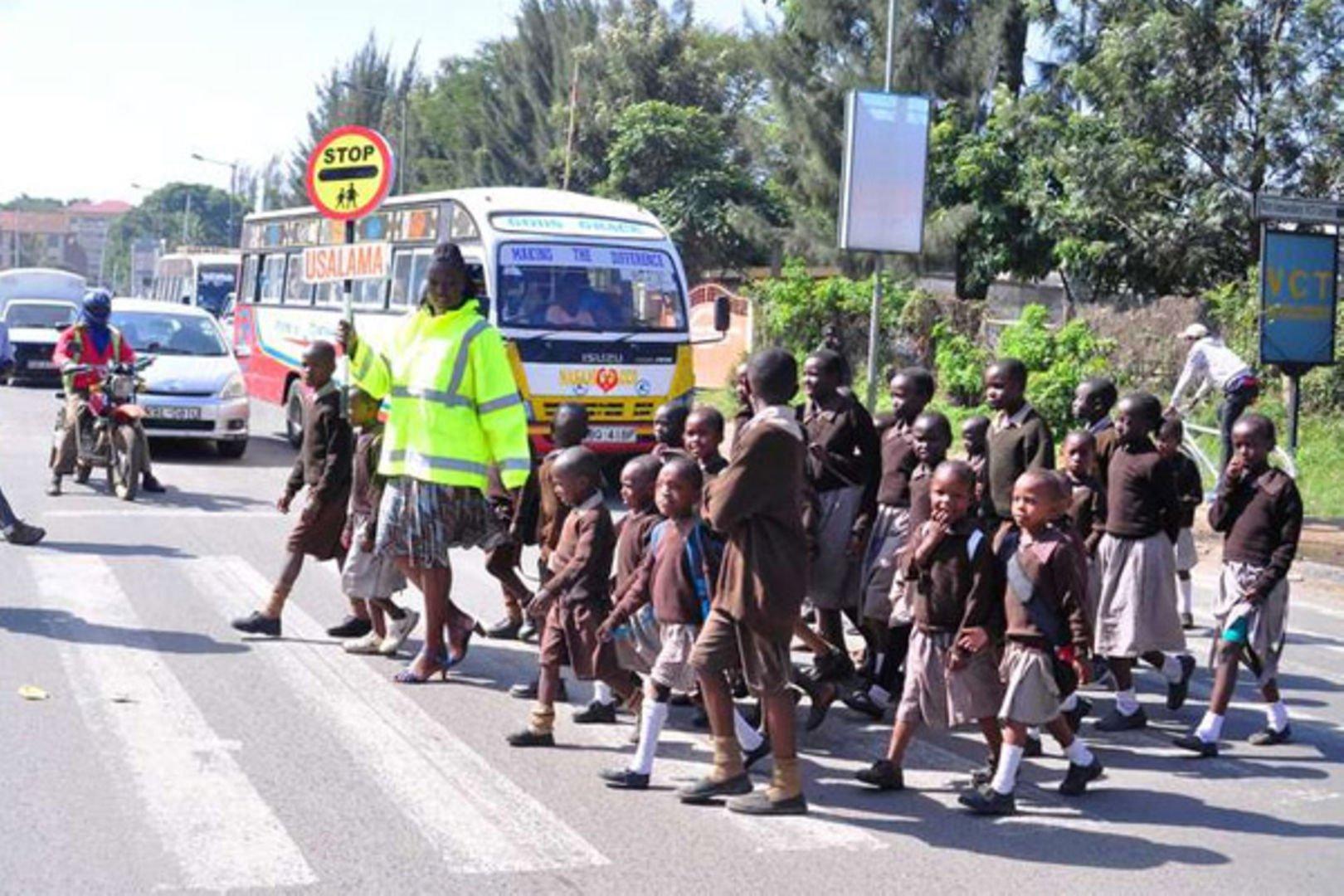
As the grade 10 school placement revision exercise commences today, it is important to caution parents against poisoning their children’s minds by publicly disparaging public schools. In moments of anxiety and disappointment, words are often spoken casually, yet they land heavily on young minds. This conversation is not really about the schools where learners have been placed. Neither is it about the learners themselves, nor even the career pathways assigned under the Competency-Based Education framework. At its core, this is about parents’ perceptions of schools and how those perceptions are, consciously or unconsciously, passed on to children at a very formative stage of their lives.
A worrying trend has emerged where some parents have already dismissed certain public Senior Schools as unworthy. In their view, only C1 institutions, commonly referred to as national schools, matter. All other categories – extra-county, county, and sub-county schools – are casually branded as “bad schools.” Statements such as “my child can’t go to such a bad school,” “my child worked very hard only to end up there,” or “why is the government punishing my child?” are being uttered openly, often in the presence of the very children whose futures are being discussed. These remarks may be emotionally driven, but they are deeply damaging.
One must pause and ask: What do these children hear and internalise when their parents speak this way? A learner who has just been placed in a county or extra-county school is already navigating uncertainty, transition, and the normal fears that come with moving to Senior School. When a parent labels the school as inferior or punitive, the child receives a powerful message before ever stepping through the school gate: that they are going to a place beneath them, that their effort has not been rewarded, and that their future has somehow been compromised. This psychological burden is unfair and unnecessary.
Public schools, regardless of category, are not accidental institutions. They are established, staffed, regulated, and supported by the same Ministry of Education. They follow the same national curriculum, are inspected under the same quality assurance mechanisms, and sit the same national assessments. The difference between categories is largely about historical capacity, geographical distribution, and enrolment demand—not about moral worth, intellectual potential, or the destiny of the learners who attend them. To describe a public Senior School as “bad” is not only inaccurate but also dismissive of the thousands of teachers and learners who work diligently within those institutions every day.
It is also important to remember that excellence has never been the monopoly of a school label. Kenya’s history is replete with individuals who passed through modest county or sub-county schools and went on to excel nationally and globally. What shaped their success was not the badge on the school gate, but discipline, mentorship, opportunity, and personal resilience. When parents insist that only national schools matter, they reduce education to branding and prestige, rather than growth and learning.
More troubling is the effect such narratives have on children’s self-belief. A learner who repeatedly hears that their school is “bad” may begin to see themselves as a victim of injustice rather than as an active participant in their own success. They may arrive at school already disengaged, resentful, or embarrassed. This mindset affects effort, attitude, and ultimately outcomes. In contrast, a child whose parents affirm that any school can be a place of growth is more likely to adapt, work hard, and thrive.
READ ALSO:
TTC student at risk of dropping out over mounting fees arrears appeals for help
The placement revision exercise itself should be understood for what it is: a structured opportunity to address genuine mismatches and errors, not a referendum on the value of public schools. It exists to refine placements where necessary, not to validate schools’ social hierarchies. Approaching this process with hostility, suspicion, or public contempt for certain institutions undermines its purpose and fuels unnecessary tension between parents, learners, and the education system.
Parents must also reflect on the message they send about effort and reward. When a child is told that their hard work has been “wasted” because of the school they were placed in, the implication is that effort only matters if it leads to a particular brand-name outcome. This is a dangerous lesson. Education is not a lottery ticket whose value is determined solely by placement; it is a journey whose meaning is shaped by what the learner does with the opportunities available to them.
Parents need to manage their own disappointment privately and responsibly. Children should be shielded from adult frustrations and allowed to form their own experiences. A school that is vilified before a child arrives there is robbed of the chance to prove itself in that child’s eyes. Parents owe their children the gift of neutrality, if not optimism.
As a society, we must also be cautious not to undermine public education through careless language. When parents publicly demean public Senior Schools, they erode confidence in the very system that has educated generations of Kenyans. This erosion does not strengthen education; it weakens it.
In this season of placement revisions, wisdom lies in restraint. Parents should speak with care, encourage resilience, and affirm the dignity of all schools. Where revisions are pursued, let them be guided by reason and policy, not contempt. Above all, let children hear words that build confidence rather than words that plant doubt. Schools do not fail children nearly as often as adults fail to protect children from harmful narratives.
By Ashford Kimani
Ashford teaches English and Literature in Gatundu North Sub-county and serves as Dean of Students.
You can also follow our social media pages on Twitter: Education News KE and Facebook: Education News Newspaper for timely updates.
>>> Click here to stay up-to-date with trending regional stories
>>> Click here to read more informed opinions on the country’s education landscape