Martin Sembelo, the KNUT Executive Secretary in West Pokot, has appealed to the government to urgently address all forms of uncertainty surrounding Kenya’s Competency-Based Education (CBE). He emphasised that gaps in communication, school placement, resource availability, and teacher preparedness are disadvantaging learners, particularly at critical transitions—from Early Childhood Development Education (ECDE) to primary, from primary to Junior Secondary School (JSS), and from senior secondary school (Grades 10–12) onward. His appeal underscores the real-life consequences of unresolved grey areas and highlights the urgent need for clarity, equity, and structured support across the education system.
Kenya’s CBE system was designed to transform learning from rote memorisation to a skills-oriented, learner-centred approach spanning ECDE through Grade 12. While visionary, its implementation has encountered multiple challenges affecting coherence, equity, and effectiveness. These challenges affect learners’ academic progress, social and emotional development, and readiness for higher education or vocational pathways.
At the ECDE level, inadequate teacher training and inconsistent understanding of learner-centred methodologies are key obstacles. Many early childhood educators are familiar with traditional teaching approaches, and the expectation to develop competencies such as problem-solving, creativity, and social-emotional skills has created significant uncertainty. Many ECDE centres operate in overcrowded classrooms and lack age-appropriate teaching and learning materials. Play-based learning resources, which are central to early skill acquisition, are often unavailable, and safe learning environments are not guaranteed. Consequently, children entering primary school may lack foundational competencies that CBE assumes they possess.
In primary school (Grades 1–6), teachers face the challenge of translating the CBE philosophy into effective classroom practice. Integrating competencies across subjects, fostering critical thinking, and designing activities that encourage problem-solving require time, creativity, and a deep understanding of the curriculum. Many teachers, however, struggle with workload pressures, large class sizes, and insufficient support, which makes it difficult to provide individualised feedback. In addition, parents and communities are accustomed to assessment systems that focus on examinations. They may pressure teachers to prioritise exam content over competency development, creating tension between policy objectives and societal expectations.
Assessment, a cornerstone of CBE, remains a significant source of uncertainty. Continuous assessment, learner portfolios, and competency rubrics are intended to provide a holistic view of learner progress, but many teachers, parents, and learners struggle to interpret these tools. Some educators are uncertain about grading standards, competency weighting, and documentation requirements. At the same time, parents often equate learning success with examination scores, leading to pressure on teachers to revert to traditional teaching methods. This disconnect not only undermines CBE but also generates anxiety among learners.
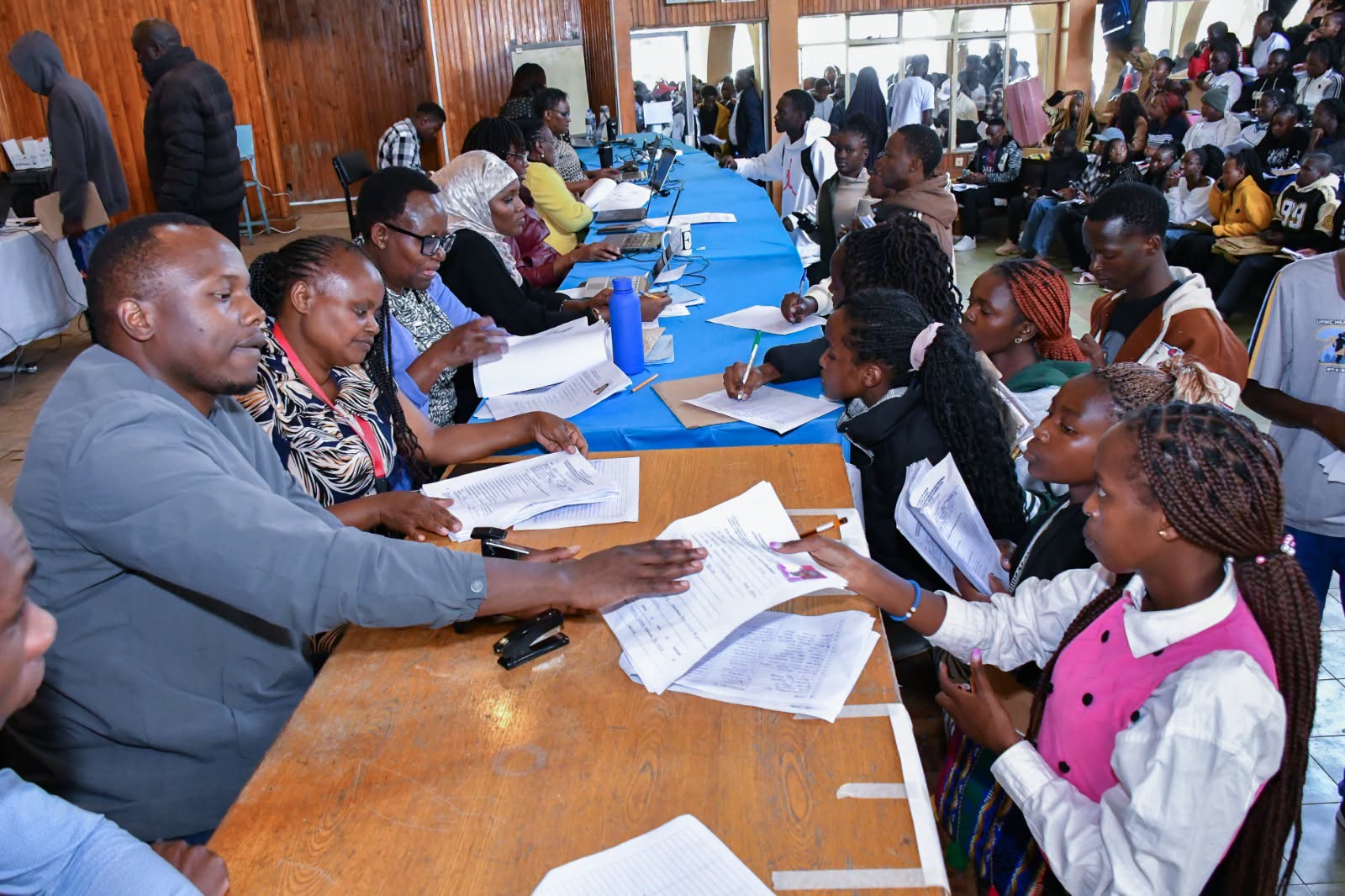
The transition from Grade 6 to JSS and onward to senior secondary school exposes systemic weaknesses. Communication about learner placement has often been unclear. Sadly, some parents have not even understood the education pathways under CBE and lack the knowledge or means to track the schools their children have been assigned to. While in the past, parents received letters and could select or reject schools for their children—fostering transparency and shared responsibility—the current reliance on digital platforms and centralised placement systems has reduced parental agency. This lack of understanding and access generates anxiety and frustration, particularly among rural families and those without reliable technology, weakening the essential partnership between home and school.
Junior Secondary School, primarily housed within primary school campuses, presents additional challenges. Parents worry about learner maturity, discipline, and psychosocial needs in environments originally designed for younger children. School administrators grapple with unclear leadership structures, staffing norms, and reporting lines, resulting in uneven implementation of CBE objectives. Overcrowded classrooms and insufficient laboratory and workshop space, as well as ICT resources and teaching materials, limit opportunities for hands-on learning, particularly in STEM and pre-technical subjects. Consequently, the curriculum may become overly theoretical, reducing the acquisition of practical competencies.
Teacher preparedness remains a recurring concern at all levels. Many educators have received minimal training on CBE, and in-service training has often been inconsistent or too brief to produce meaningful change in classroom practices. Some teachers are assigned subjects outside their areas of specialisation, further undermining instructional quality. In JSS, where the curriculum introduces new subjects and practical components, the lack of qualified teachers and mentorship reduces the effectiveness of competency-based teaching. This unevenness contributes to disparities in learning outcomes between schools and regions.
Curriculum coherence is another pressing issue. Aligning ECDE, primary, and JSS curricula to ensure the smooth progression of competencies has proven challenging. Inconsistencies in subject sequencing, assessment practices, and pedagogical approaches create gaps that impede learner development. Integration of digital literacy, life skills, and technical competencies remains uneven, particularly in schools with limited resources. Without a coherent curriculum, learners may advance without mastering foundational skills, jeopardising future learning and undermining the goals of CBE.
Parental engagement and community awareness are critical yet underdeveloped. Many parents are unaware of the objectives of CBE, its assessment methods, and the competencies learners are expected to achieve. Without proper guidance, parents may continue to push for exam-oriented teaching, place undue pressure on learners, or become frustrated with placement outcomes. Community sensitisation and parental involvement are essential for creating a supportive learning environment and ensuring that learners receive consistent reinforcement of competencies at home.
READ ALSO:
No Christmas break as Grade 10 Revisions roll out nationwide
Policy and governance issues further complicate implementation. Frequent guideline revisions, delayed implementation, and occasional contradictory communication from education authorities generate confusion among teachers, learners, and parents. Monitoring and evaluation mechanisms are still developing, making it difficult to track progress, enforce accountability, or identify gaps. When policies appear fluid or reactive, public trust diminishes, and stakeholders question whether challenges are temporary teething problems or symptomatic of deeper systemic flaws.
Resource allocation is another significant constraint. Many ECDE and primary centres operate in poorly equipped classrooms, while JSS introduces additional subjects requiring laboratories, workshops, and ICT infrastructure. The scarcity of these facilities limits hands-on learning and reduces opportunities to demonstrate competence. Teachers are forced to improvise, and learners may miss out on critical experiential learning.
Looking ahead to Grades 10–12 (senior secondary levels), the need to address these gaps early becomes even more pressing. Senior secondary education under CBE emphasises both academic and technical pathways, including preparation for higher education, vocational training, and entrepreneurship. Learners entering these grades are expected to demonstrate advanced competencies, critical thinking, problem-solving, research skills, and practical application of knowledge. If gaps from ECDE through JSS are not addressed promptly, learners arrive at senior secondary schools underprepared, risking poor performance, disengagement, and limited career opportunities. Early attention to infrastructure, teacher capacity, assessment clarity, and parental engagement is therefore critical to ensure learners are fully prepared for senior secondary studies and eventual KCSE examinations.
Martin Sembelo’s appeal by KNUT highlights the urgency of these issues. He emphasises that learners are being disadvantaged by unclear communication, inadequate infrastructure, inconsistent teacher preparedness, and gaps in parental understanding. Resolving these challenges requires coordinated action from government agencies, school administrators, teachers, parents, and other stakeholders to ensure that no child is left behind throughout the education continuum.
Areas of uncertainty within CBE must therefore be deliberately identified, clearly highlighted, and addressed forthwith. Allowing teachers, parents, and learners to operate amid ambiguity undermines confidence in the system and weakens implementation at all levels. Communication, school placement, assessment, curriculum coherence, infrastructure, teacher preparedness, and parental involvement all require urgent clarification and decisive action. Clear policy direction, consistent public communication, adequate resourcing, and structured stakeholder engagement are no longer optional; they are imperative. Failure to address these grey areas risks institutionalising uncertainty, eroding public trust, and compromising the goals of CBE.
Kenya has invested heavily in the promise of Competency-Based Education. Ensuring that the system works seamlessly from ECDE through Grade 12 is not merely a policy necessity but a moral imperative. With timely action and structured support, learners can gain the foundational skills, critical thinking abilities, and practical competencies required to thrive in higher education, vocational pathways, and the modern workforce. The time to act is now, and KNUT’s advocacy must translate into concrete measures that safeguard the learning journey of every Kenyan child.
By Hillary Muhalya
You can also follow our social media pages on Twitter: Education News KE and Facebook: Education News Newspaper for timely updates.
>>> Click here to stay up-to-date with trending regional stories
>>> Click here to read more informed opinions on the country’s education landscape