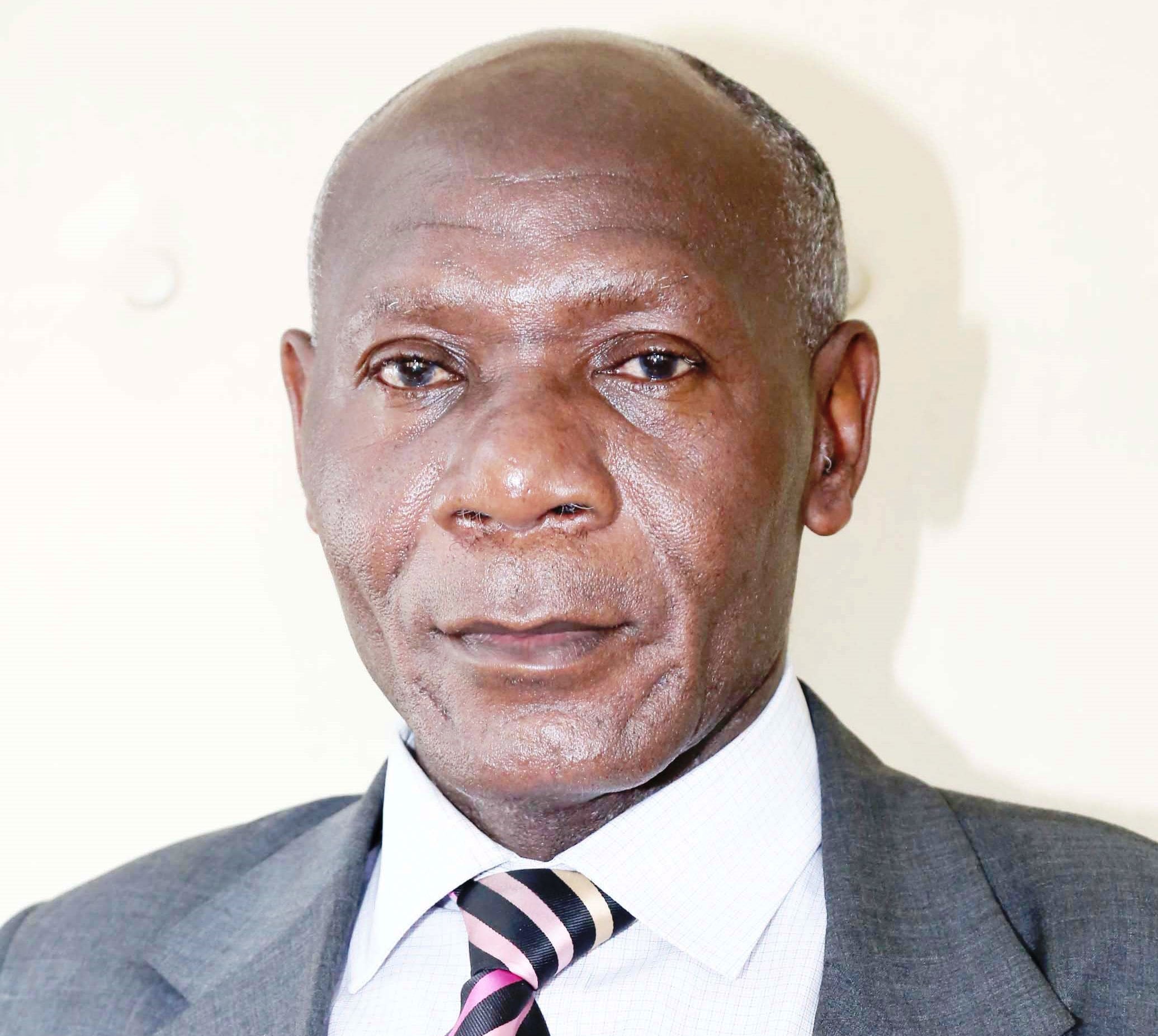
Two months ago, Prof. Egara Kabaji expressed concern that the leadership of Literature Departments in some Universities in this country had expunged classical literary works from the curriculum.
He observed that literature students were graduating without being exposed to some of the greatest works mankind has ever known.
“Some complete their degrees without engaging Achebe, Ngugi, or Soyinka in any meaningful way. They know neither the Russian Masters, the Latin American magical realists, nor the oral poets of their own communities. They have no idea about literary trends in the country today. We have lost the script,” Kabaji noted in The Standard, entitled What we have for literature departments disappoints me.
This is disturbing. Literature has a long ancestry. It embodies the intellectual and cultural heritage of mankind across time, place and period. It encompasses the collective literary and cultural legacy of nations and civilizations.
Today, most national educational systems endeavour to expose their rising generations to samples of literature from every civilisation, period, place and time, thanks to globalization.
ALSO READ:
Education key to achieving Kenya’s Singapore dream, says Machakos deputy governor
Young people in the USA, Canada and the UK are exposed to literature from Africa, Asia, Europe and even South America. English and social studies texts in primary and high schools have folklore from across continents. Students taking Literature and creative writing courses in universities in these countries are exposed not just to the classical works of Western civilizations, they are also to contemporary works from Africa, Asia and South America. Educational institutions in these countries want to give their students a perspective—they want them to know their past and also a knowledge of cultures from other civilizations.
This is what should also be informing education policy, standards and curricula in the English departments in our universities, to say nothing of schools.
Regrettably, the leadership of some Departments of Literature or individual professors of literature in some of these universities think these bodies of work are irrelevant to the contemporary issues modern society is grappling with. They don’t see the need to teach them.
Ominously, a literature lecturer audaciously claimed in a local daily that works by older African writers like Achebe and Ngugi are outdated. The newspaper didn’t carry any rejoinder to that thesis.
If Achebe and Ngugi are outdated, then classical works that define the intellectual and cultural heritage of Western, Asian, Native American and African Civilizations are relics. They are mere curiosities but irrelevant to the educational and other needs of Kenyans.
However, those who take classical works and pioneer African literary works as dead and therefore irrelevant are mistaken.
They are wrong for the following reasons.
First, every work of art has two levels of meaning: literal and symbolic meaning. A great work of art is allegorical. These were characters, settings, or events in the work that symbolise larger concepts to convey complex ideas in a more memorable way. The symbolic character of the work makes it ever new, ever fresh, ever novel whenever readers read the work at whatever period in their lives. Readers in a different period, time and place find ever-fresh meaning in the work. The work is meaningful across time, place and age. It is never dated.
This is why the stories in the Bible are enduringly fresh. That is the lecturers who taught Prof. Kabaji in Kenyatta University in the 1980s exposed him and his fellow students to Charles Dickens, Tolstoy, Dostoyevsky, Gabriel García Márquez, Faulkner, Morrison, Hemingway, Achebe, Ngugi, and Sembène Ousmane.
Secondly, although lecturers in universities have the power to decide the books students study in a given unit, they don’t have the power to arbitrarily decide what book or books shall be taught.
Educational institutions have a historic mission to transmit the accumulated knowledge, wisdom, skills and other capabilities from one generation to the next.
“The school is assigning the general social function of distrusting various kinds of knowledge, including the knowledge of how to read and write as well as what to read and write,” an American literar criticy, John David Guillory, observes.
Consequently, there must be a structure either in the Department or the Senate which provides literary and aesthetic standards for the choice of works in every unit or course. The decisions they make are constrained by literary and cultural heritage.
ALSO READ:
MoE Opens seven-day review window after complaints over Grade 9 Senior School Placements
Embedded in literary works, fictional and nonfiction works, is the substance of this heritage.
The question of cheapening, of dumping the literature curriculum or syllabus, shouldn’t arise if there was quality control from the centre departmental or senate level. The laissez-faire in the determination of work students’ study is pure anarchy in curriculum planning.
Thirdly, classical works were penned by men and women who thought deeply upon the ultimate meaning of life. The works have enriched the human mind, affirmed certain enduring values, and sentiments. These are the values and sentiments, and mindsets students should imbibe.
The works are also rigorous in asking or posing questions about life. The students nurture superior communication, critical thinking and problem-solving skills through assiduous reading of these works. These are the oars adults use in the mains of life and work.
Let me be clear. The great works of other civilizations and periods are not mutually exclusive of works of art on contemporary and emerging issues. Universities and schools must teach the great works alongside the current ones. The classical works provide a perspective by which to appreciate current literature.
Classical literature: the great fiction and nonfiction works have knowledge, wisdom, and perspectives which aptly explain the order or chaos which we see in modern life and which opinion and policymakers contend with almost every day.
By Kennedy Buhere
Kennedy Buhere is a Communication Specialist
0725327611
You can also follow our social media pages on Twitter: Education News KE and Facebook: Education News Newspaper for timely updates.
>>> Click here to stay up-to-date with trending regional stories
>>> Click here to read more informed opinions on the country’s education landscape
>>> Click here to stay ahead with the latest national news.