In a quiet rural homestead in Nyeri, a grandmother sits on a three-legged stool, watching her grandson scroll endlessly on a tablet. She speaks to him in Kikuyu, asking whether he has eaten. He looks up briefly, smiles politely and replies, ‘Okay, shosh.’ The conversation ends there. Two generations under one roof, yet worlds apart; separated not by distance, but by language.
This scene is no longer rare. Across Kenya, especially during school holidays, family gatherings, and rural visits, a troubling reality is playing out: many urban-raised CBC learners cannot speak their mother tongue. Some understand it but cannot respond. Others have no grasp of it at all. Increasingly, children are addressing grandparents and even great-grandparents exclusively in English. What sounds like impressive fluency is, in truth, a quiet cultural emergency.
The Competency-Based Curriculum promises learners who are grounded in community, culture, and real-life contexts. Ironically, many of these learners are linguistically stranded. They arrive in the village unable to participate in conversations, rituals, jokes or even basic instructions. The countryside becomes an uncomfortable place; one they endure rather than belong to.
For many urban children, the greatest shock of rural life is not livestock, mud houses or pit latrines. It is language. In cities like Nairobi, Nakuru, Kisumu and Mombasa, English dominates homes, schools, churches and screens. Parents proudly announce, ‘My child only speaks English,’ believing they are securing a brighter future. That statement, once celebrated, is now revealing its cost.
In the village, English is not the language of storytelling, discipline, humour, wisdom or healing. It is not the language of farming, funerals, weddings or folklore. When a child cannot speak the local language, they retreat into silence, gadgets or forced politeness. Elders interpret this as pride or rudeness. The child experiences it as helplessness and shame.
Many CBC learners fall into a silent category: they understand their mother tongue but cannot speak it. They know what is being said but lack confidence, vocabulary and fluency to respond. This creates embarrassment, fear of mockery, withdrawal from elders and a growing emotional gap between generations. A child who cannot tell a grandmother they are hungry or unwell in their own language is not empowered; they are linguistically impaired.
This crisis did not emerge overnight. Parents played a major role, often unintentionally. In the pursuit of ‘good schools’ and ‘proper accents,’ many banned mother tongue at home. Some punished children for speaking it. Others surrendered parenting to cartoons, YouTube, and global content, leaving no room for local language. English became the measure of intelligence; indigenous languages became symbols of backwardness.
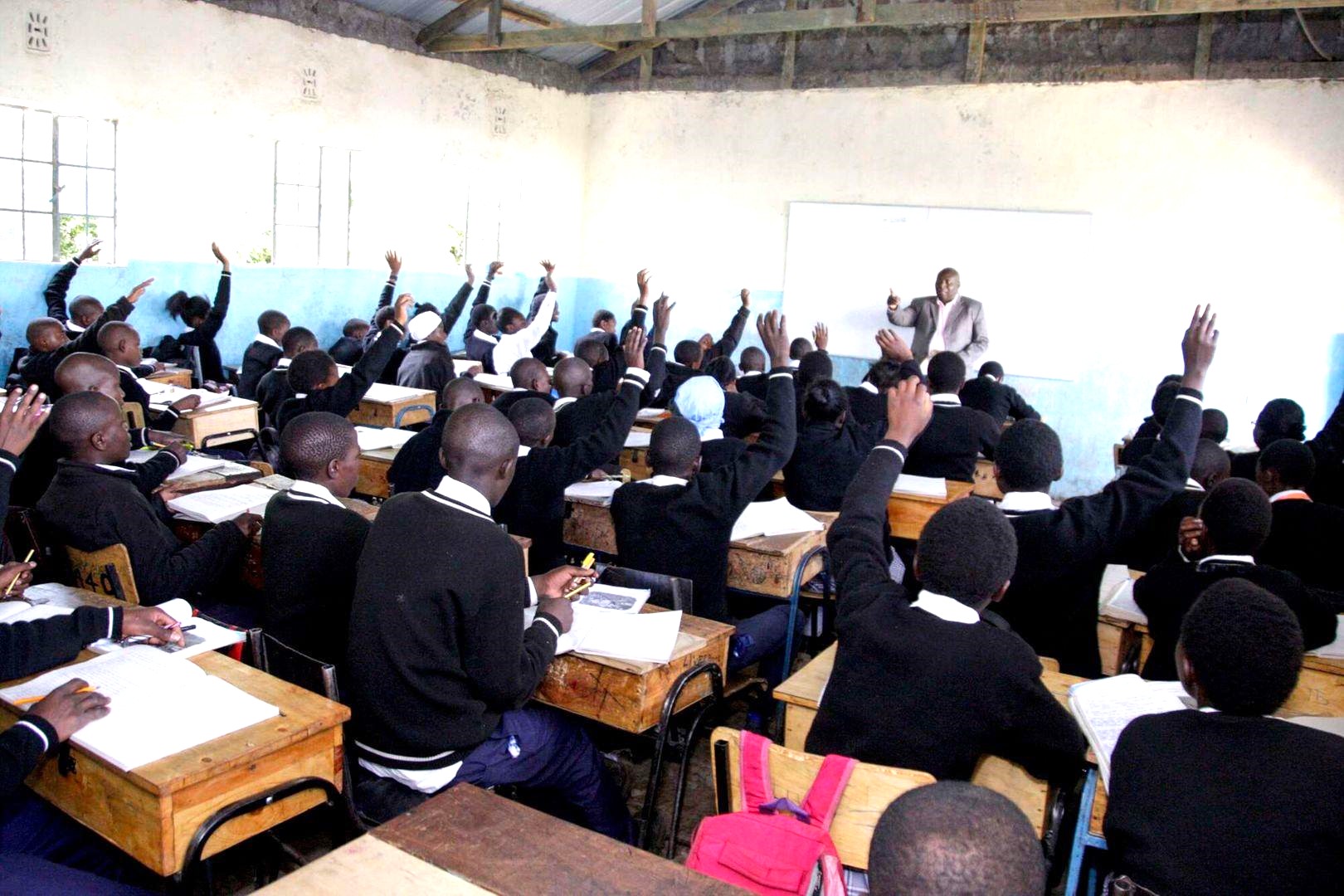
Schools, too, must share responsibility. English-only policies, even during breaks, have turned language into a tool of punishment rather than a means of learning. Mother tongue is tolerated in early grades, then quietly discarded as children grow older. Kiswahili survives because it is examined. Indigenous languages fade because they are not.
Society reinforced the damage. We laughed at accents, mocked broken English and taught children to be ashamed of where their tongues came from. In doing so, we created a generation that can debate global issues fluently but cannot hold a simple conversation with their grandparents.
READ ALSO:
Holiday apprenticeship: The hidden lifeline of learning in Kenya
This is where the CBC contradiction becomes glaring. CBC promotes community-based learning, cultural competence, indigenous knowledge and learner identity. Yet many learners cannot interview elders, participate meaningfully in cultural activities, understand proverbs or express emotions in the language of their heritage. CBC asks learners to solve community problems, but how can they do so when they cannot even communicate with the community?
Language is more than words. It carries values, humour, history, morality and worldview. When a language dies in a child, a library burns quietly. Proverbs that once taught patience, respect and resilience are replaced with borrowed slang. Wisdom refined over centuries disappears in a single generation. The result is a child who is culturally homeless, belonging everywhere and nowhere at once.
The good news is that this problem is reversible, but only through deliberate action. Parents must practise intentional bilingualism, speak their mother tongue at home without shame, stop equating English with superiority and allow children to make mistakes without ridicule. Schools must normalise code-switching, integrate Indigenous languages into storytelling, drama and music, and invite elders into learning spaces. Teachers must encourage oral expression before perfection and recognise that fluency grows through use, not punishment.
A Kenyan child fluent in English but unable to speak to their grandparents is not fully educated. They may pass exams, but they fail a deeper test: belonging. CBC will only succeed when learners can move confidently between the classroom and the courtyard, between textbooks and traditions, between English and the languages that first named them.
If we lose our languages, we lose ourselves. And no curriculum, however modern, can afford that loss.
By Angel Raphael
Angel Raphael is a seasoned educator and English teacher whose insightful, authoritative analysis of Kenya’s CBC reforms helps parents and teachers understand the changing education landscape with clarity and confidence.
You can also follow our social media pages on Twitter: Education News KE and Facebook: Education News Newspaper for timely updates.
>>> Click here to stay up-to-date with trending regional stories
>>> Click here to read more informed opinions on the country’s education landscape