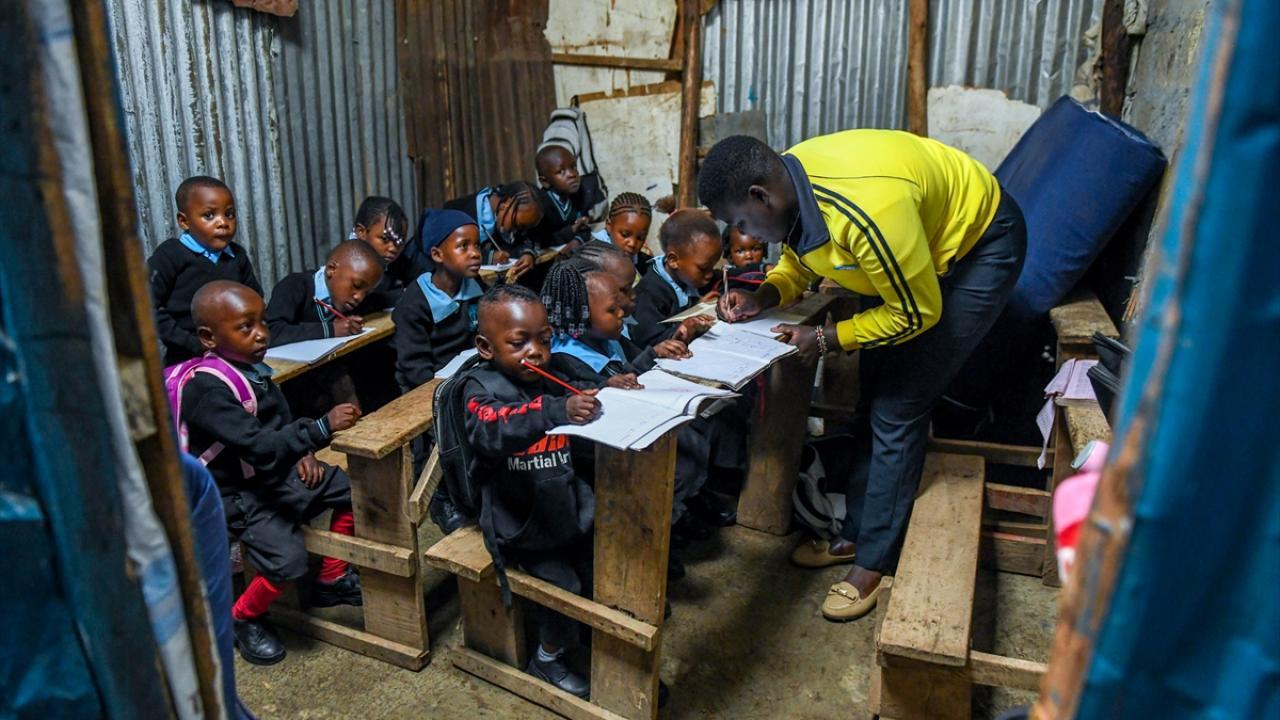
In Kenya, holidays and festive seasons are commonly treated as academic pauses; moments of rest, travel and celebration when schools close, timetables dissolve, and children are released from the discipline of bells and blackboards. Yet beneath this apparent academic silence flows a powerful and often ignored current of learning. Holidays function as an educational aorta, silently pumping life into the intellectual, moral and practical development of children through apprenticeship. This is learning that does not announce itself with examinations or certificates, yet it shapes competence, identity and survival skills more profoundly than many formal lessons ever could.
Long before the arrival of Western-style schooling, Kenyan communities understood education as communal, practical and continuous. Among the Agikuyu, Luo, Kalenjin, Mijikenda, Kisii, and Luhya, learning was not confined to a classroom or to a particular age group. Children learned by watching elders, imitating skilled hands, listening to stories and participating in daily work. School holidays were therefore not idle periods but deliberate seasons of apprenticeship. With formal learning temporarily suspended, children returned to the classroom of life; herding animals, fishing in rivers and lakes, farming, cooking, trading, crafting tools and participating in rituals. These activities were not random; they were structured cultural laboratories designed to prepare children for adulthood.
Modern Kenya may look different, but the heartbeat of holiday apprenticeship remains. During December festivities, rural children still wake early to harvest maize, milk cows, clear farms, or prepare land for the next planting season. In these moments, they learn environmental awareness, patience, discipline, responsibility and resilience. These lessons are not written on chalkboards; they are etched into muscles, habits and values. In urban centres, children accompany parents to kiosks, garages, salons, construction sites and open-air markets. Without formal instruction, they absorb lessons in customer relations, money management, negotiation, time management, and problem-solving. This kind of learning is embodied, rooted in real consequences, and therefore deeper and longer-lasting than simulated classroom exercises.
A meaningful comparison emerges between formal schooling and holiday apprenticeship. Kenya’s education system rightly prioritises curriculum coverage, examinations and certification. It strengthens literacy, numeracy, analytical thinking and theoretical knowledge. Holiday apprenticeship, however, transmits tacit knowledge; the wisdom of doing rather than memorising. A learner may struggle to define entrepreneurship in an exam, yet fully understand profit, loss, trust and risk after helping run a family business during the festive season. These two learning systems are not rivals. They are complementary arteries that both feed the same educational heart.
Festive seasons such as Christmas and Easter further expand apprenticeship opportunities. Weddings, funerals, cultural ceremonies and communal feasts become informal classrooms where children learn etiquette, leadership, moral reasoning, cooperation and social responsibility. Around family gatherings, sometimes still around fires, stories are told, jokes shared, histories recalled, and moral lessons quietly passed on. In these moments, children learn who they are, where they come from and what their community expects of them. Such lessons anchor identity in ways that digital entertainment and standardised tests rarely achieve.
READ ALSO:
Education key to achieving Kenya’s Singapore dream, says Machakos deputy governor
In a country grappling with high youth unemployment, the holiday apprenticeship takes on even greater national significance. Many successful Kenyan artisans, carpenters, mechanics, electricians, tailors, welders, and technicians trace their skills back to school holidays spent learning alongside parents, relatives, or community masters. A child exposed to carpentry in Kariobangi or welding in Kisumu gains clarity long before choosing a career path. When such learners later enrol in technical institutions, they do so with purpose and confidence. In contrast, learners denied this exposure often complete school armed with certificates but little practical direction. Holiday apprenticeship thus becomes a bridge between education and employability.
However, this educational lifeline demands ethical vigilance. The line between apprenticeship and child labour in Kenya is thin and easily crossed, especially in economically strained households. When children are overworked, unsupervised or exploited for profit, apprenticeship loses its educational value and violates children’s rights. The difference lies in intent, balance, safety and supervision. Ethical apprenticeship must be age-appropriate, time-limited, learning, and guided by responsible adults. When practised correctly, it empowers; when abused, it damages.
Kenya has also witnessed the rise of digital apprenticeships during the holidays. Children now learn graphic design, video editing, coding, social media management and online marketing; often mentored by older siblings or community members. Festive seasons increase demand for digital content in churches, businesses, events, and NGOs, creating real-world learning opportunities. This evolution demonstrates that the apprenticeship model is not static; it expands to accommodate the demands of a changing economy.
In conclusion, holidays and festive seasons in Kenya are far more than academic interruptions. They are living-learning corridors; spaces where children acquire practical skills, cultural capital, a work ethic, and life competence. When society recognises and intentionally nurtures this form of learning, it produces resilient, skilled and grounded citizens. To ignore holiday apprenticeship is to constrict education’s most vital artery, just as blocking an aorta starves the body of life.
By Isaiah Rolvin
Isaiah Rolvin is a seasoned Kenyan educator and author with a passion for holistic, culturally grounded learning.
You can also follow our social media pages on Twitter: Education News KE and Facebook: Education News Newspaper for timely updates.
>>> Click here to stay up-to-date with trending regional stories
>>> Click here to read more informed opinions on the country’s education landscape