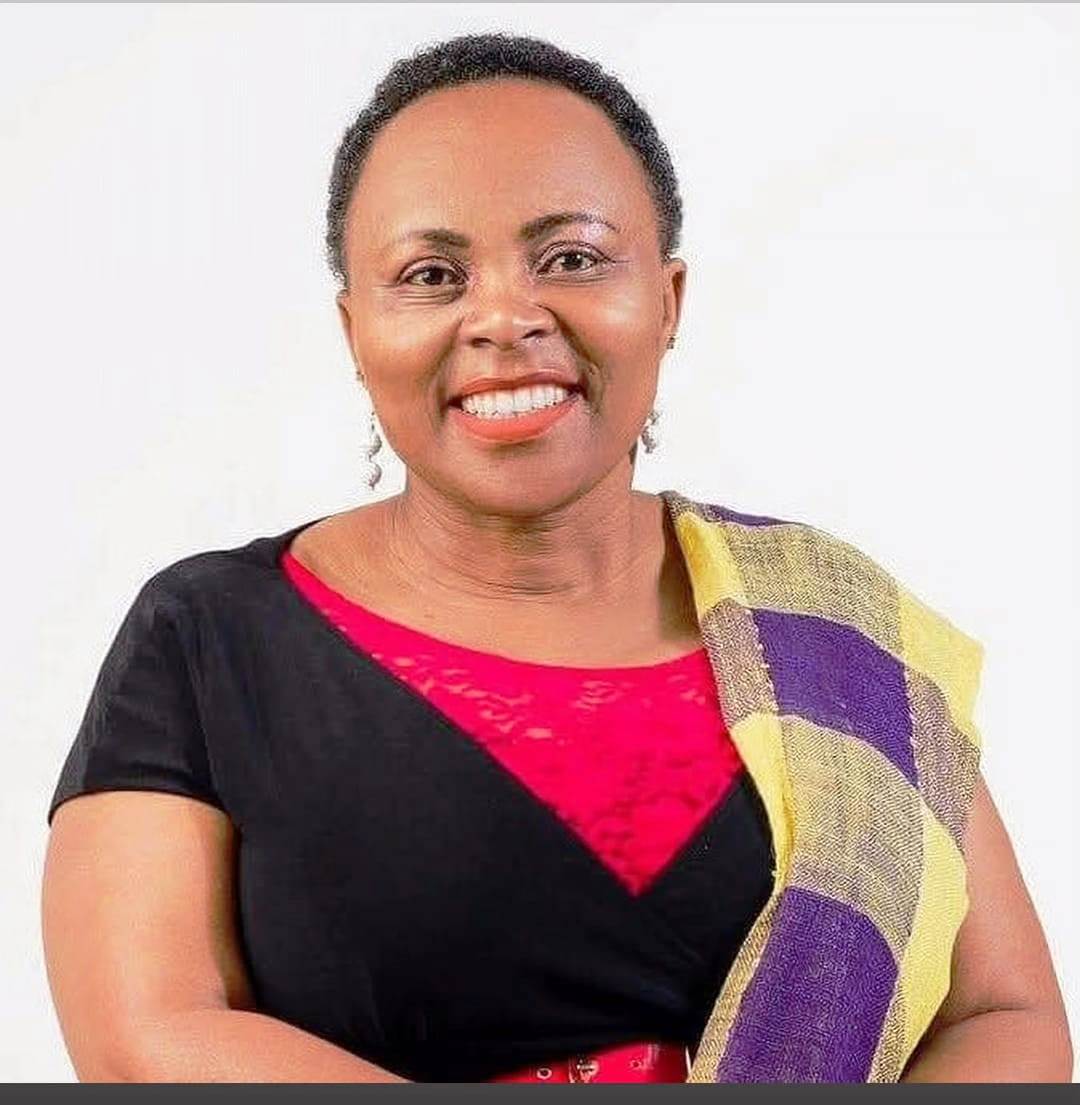
Career coach Dr Mercy Igoki is urging parents, teachers and school leaders to slow down, reflect and adequately understand the Kenya Junior School Education Assessment (KJSEA), warning that misinterpreting the results could undermine the very spirit of the Competency-Based Curriculum (CBC).
“KJSEA should not be approached with the old KCPE mindset,” Dr Igoki says. “This assessment is not about ranking children; it is about understanding how they have grown over time.”
She explains that Competency-Based Assessment (CBA) tracks a learner’s development over several years, offering a holistic picture of competencies, interests, and abilities rather than a snapshot from a single examination.
“This system follows the learner step by step,” she notes. “It recognises that learning is a journey, not an event.”
According to Dr Igoki, one of the biggest misconceptions among parents is the belief that assessment only happens during exams.
“Assessment happens every day, in and out of school,” she says. “Parents and teachers must know that CBA is continuous. You cannot wait until the last minute and expect good outcomes.”
From Early Years to Junior Secondary
Dr Igoki explains that the first formal assessment under CBC begins in Grade 3, through the Kenya Early Years Assessment (KEYA).
“At this stage, we are monitoring progress and foundational skills,” she says. “There is no ranking, no placement and no competition.”
In Grade 6, learners sit the Kenya Primary School Education Assessment (KPSEA), where 40 per cent comes from the national exam and 60 per cent from school-based continuous assessments.
READ ALSO:
Inaugural KJSEA results disrupt private schools accustomed to a results-driven culture
“This combination was intentional,” she explains. “It ensures classroom learning is valued just as much as national testing.”
During Grades 7 and 8, learners take Continuous Assessment Tests (CATs) that track progress leading up to the final junior school assessment.
The journey culminates in Grade 9, where KJSEA combines 60 per cent from the national assessment, 20 per cent from KPSEA, and 20 per cent from Grades 7 and 8 CATs.
“This means no learner is judged by one exam alone,” Dr Igoki stresses. “Their placement score reflects years of learning, not a single sitting.”
Understanding Junior School and Pathways
Dr Igoki says the purpose of junior school is often misunderstood.
“Junior school exists to expose learners to many learning areas,” she explains. “Assessment then helps identify their abilities and interests so they can choose the right pathway.”
She notes that the KJSEA report includes both subject performance and cluster weight scores, which guide learners towards pathways such as STEM, Social Sciences, or Arts and Sports.
“The cluster weight is not simple arithmetic,” she clarifies. “The decimals show that deeper statistical analysis was applied to ensure fairness.”
What Achievement Levels Really Mean
Dr Igoki cautions parents against idolising the Exceeding Expectations band.
“Meeting Expectations is not failure,” she says firmly. “It means the learner is performing exactly where they should be.”
Under KJSEA, learners are rated as Exceeding, Meeting, Approaching or Below Expectations, with scores ranging from 1 to 8 points per subject. The maximum possible score is 72, while 36 points represents the average national achievement.
“We must stop comparing children the way we did before,” she says. “CBA values growth, self-awareness and maturity.”
The Bigger Picture
Ultimately, Dr Igoki says CBA is meant to guide learners into suitable academic and career paths, with the Ministry of Education supporting parents on appropriate senior schools offering the different pathways.
“This system is breaking the old culture of ranking-driven decisions,” she says. “If we explain it well and support learners properly, CBA will empower rather than traumatise.”
As Kenya navigates the new assessment era, she calls for patience and education.
“Let us support, explain and guide,” Dr Igoki concludes. “When parents understand KJSEA, learners thrive.”
By Joseph Mambili
You can also follow our social media pages on Twitter: Education News KE and Facebook: Education News Newspaper for timely updates.
>>> Click here to stay up-to-date with trending regional stories
>>> Click here to read more informed opinions on the country’s education landscape