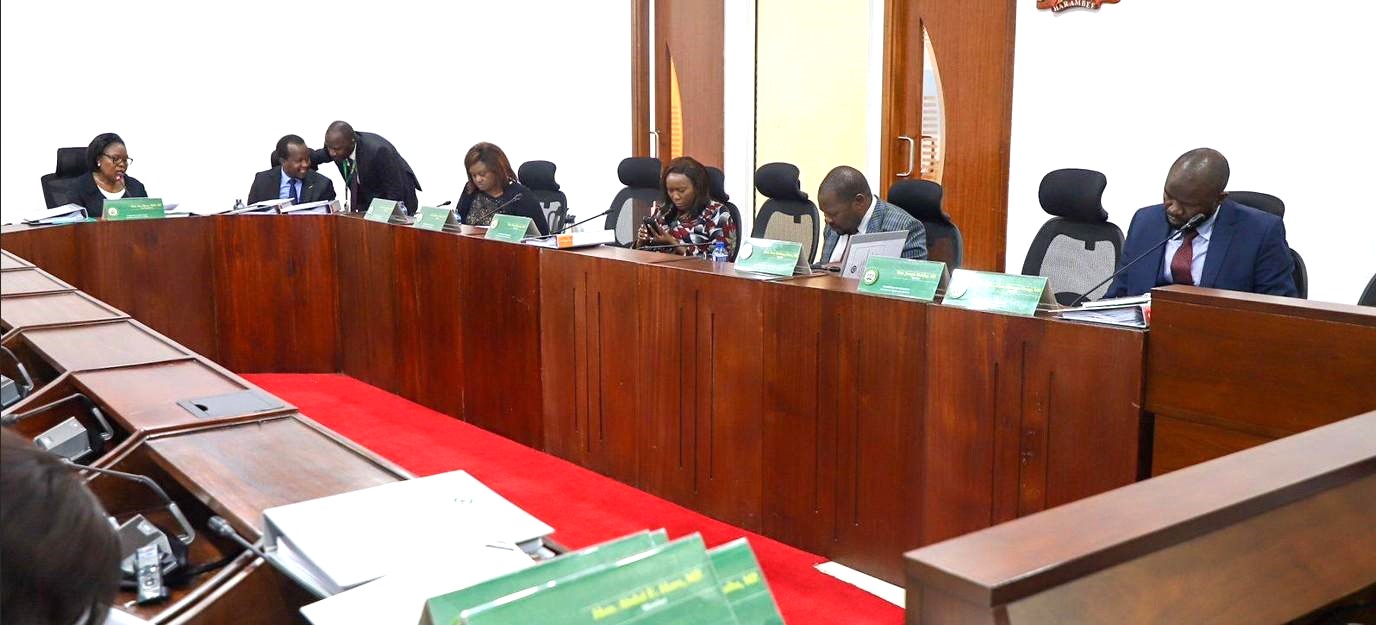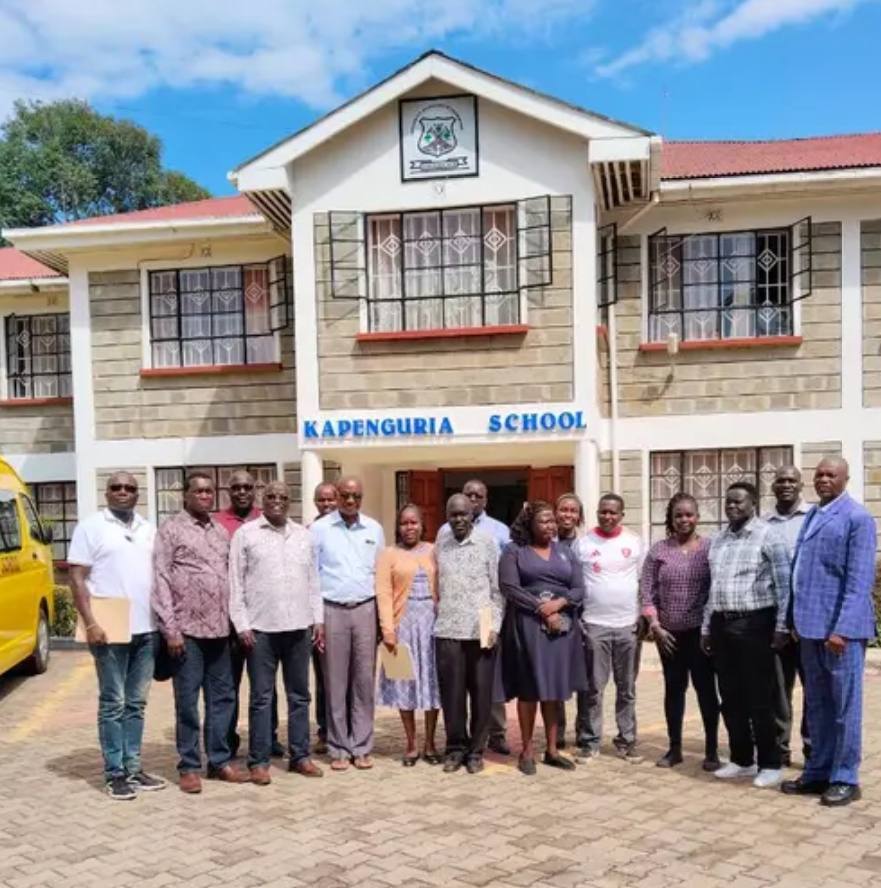
West Pokot stands at a historic crossroads. The beginning of site visits by the Taskforce appointed by Governor Simon Kachapin to identify a suitable location for the proposed University College is more than a bureaucratic exercise—it is a turning point that could redefine the county’s future for generations. For decades, West Pokot has grappled with the weight of educational marginalization, limited opportunities, and the slow pace of development that inevitably follows such disparities. Today, we have before us a rare opportunity to rewrite that narrative.
The significance of this moment cannot be overstated. The establishment of a University College is not merely about erecting more buildings or adding another institution to a government report. It is about opening the gates of higher learning wider than they have ever been in this region. It is about ensuring that a child in Kacheliba, Sigor, Lelan, or Mnagei can dream not only of finishing Form Four but of pursuing university education without traveling hundreds of kilometers away from home. It is about anchoring local economic transformation through education, innovation, and research.
The fact that the taskforce has embarked on rigorous site assessments across the county is itself a commendable step. Led by Prof. Joshua Kwonyike—a figure respected for his academic grounding and administrative experience—the team reflects a thoughtful blend of expertise. With CEC for Education Rebecca Kide serving as secretary, supported by individuals drawn from academia, public administration, and development sectors, the taskforce embodies a collective commitment to thoroughness and transparency.
But as the process unfolds, it is important for the public to understand that this is not merely an academic or administrative undertaking. It is fundamentally a public project—one whose outcome will affect thousands of households, shape educational pathways, and influence the economic trajectory of West Pokot. The people must therefore remain engaged, informed, and vocal.
The selection of potential sites—ranging from Chesta Teachers Training College to Kapenguria Boys—reflects a balanced effort to consider diverse geographical locations, existing infrastructure, accessibility, and potential for expansion. Each site has its strengths and limitations. Chesta T.T.C, for instance, holds strategic promise due to its existing academic orientation, while institutions like Chewoiyet and Keringet sit in serene environments conducive to scholarly work. Urban locations such as within Kapenguria may offer better logistical advantages but face challenges of limited land for long-term expansion. The taskforce must weigh all these factors critically, guided not by local politics or sectional pressure, but by long-term viability.
ALSO READ:
Shock in Kisii as school deputy head found dead in suspected suicide
This project must serve all the people of West Pokot—not one sub-county, not one political constituency, not one demographic group. By the time the taskforce presents its recommendations to Governor Kachapin, the county should be confident that the final site is one that will maximize educational access, catalyze development, and ensure sustainability.
Moreover, a university college is more than a location. It is an ecosystem. Even as the site selection continues, leaders must begin to think beyond land and buildings. What academic programs will the university focus on? How will it leverage local strengths such as agriculture, pastoralism, environmental management, mining, and community development? How will it attract qualified lecturers, establish meaningful partnerships, and support cutting-edge research relevant to this region?
Counties that have benefitted most from hosting universities are those that approached the project holistically. A university should stimulate local businesses—from housing and hospitality to technology and transport. It should inspire innovation hubs, research farms, environmental studies, and health programs. It should attract investment. In essence, it should become the beating heart of a new economic landscape.
That is why the public consultation conducted earlier—including radio engagements where residents proposed locations—remains a critical foundation. Communities who understand their environment best must have a voice. Their insights on feasibility, challenges, and opportunities should continue to shape the discourse. The taskforce, in turn, must maintain transparency, providing periodic updates to avoid speculation or misinformation that could derail this important project.
Governor Kachapin’s administration deserves recognition for initiating this long-overdue process. However, the true measure of leadership will be seen in how the county navigates the next phase: funding, partnerships with national government and universities, legislative approvals, infrastructure development, and long-term planning. Vision must be matched with action; dreams must be reinforced with strategy.
ALSO READ:
MP Osoro: Kisii University’s Nyangweta Campus to open doors in January 2026
West Pokot must also prepare its people—especially the youth—to seize the opportunity that a university presents. As the county targets improved performance in secondary schools, better teacher support, and expanded technical training, it must envision a generation ready to fill lecture halls, research labs, and innovation centers right here at home. A university is only as strong as the students it attracts and the community that surrounds it.
This editorial therefore calls for unity, patience, and unwavering commitment from all stakeholders. Let us support the taskforce, not with blind acceptance, but with constructive engagement. Let us resist the temptation to politicize the process. Let us remember that education is the one investment that has the power to cut across social and economic divisions, uplift households, and transform entire communities.
The promise of a University College in West Pokot is the promise of a future where opportunities are not exported elsewhere but nurtured here. A future where our children do not have to leave home to dream big. A future where research, innovation, and learning become part of the county’s identity. A future where development is driven not by chance but by knowledge.
This is our moment—let us rise to meet it.
By Hillary Muhalya
You can also follow our social media pages on Twitter: Education News KE and Facebook: Education News Newspaper for timely updates.
>>> Click here to stay up-to-date with trending regional stories
>>> Click here to read more informed opinions on the country’s education landscape